Buy balticseal.eu ?
We are moving the project
balticseal.eu .
Are you interested in purchasing the domain
balticseal.eu ?
domain@kv-gmbh.de · 0541-91531010
Buy balticseal.eu ?
Are free radicals cations?
No, free radicals are not cations. Free radicals are neutral species that have unpaired electrons, making them highly reactive. Cations, on the other hand, are positively charged ions that have lost one or more electrons. While both free radicals and cations are reactive, they differ in their charge and electronic configuration. **
What are cations and anions?
Cations are positively charged ions that are formed when an atom loses one or more electrons. This loss of electrons creates a net positive charge on the ion. Anions, on the other hand, are negatively charged ions that are formed when an atom gains one or more electrons, resulting in a net negative charge on the ion. Cations and anions are essential in forming ionic compounds and play a crucial role in chemical reactions and the behavior of substances in solution. **

Similar search terms for Cations
Top-Angebote
Products related to Cations:
-
Addison Rugs Premium Washable Super Soft Coastal Sealife Mayfield RugAdd a splash of ocean charm with sealife in a coastal design. This rug brings a playful beachy feel to your home. Suitable for indoor and covered outdoor areas, it boasts a soft, thick, and plush microfiber pile.82,55 $*Shipping: 0,00 $Secure redirect to the provider
-
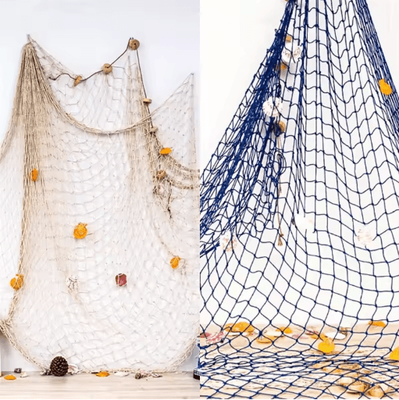
Inspire Picks Nautical Fishing Net Wall Decor Coastal Marine Hanging Ornament shellBring seaside charm into your space with this stylish nautical fishing net decor. Inspired by coastal living, it adds texture and character while creating a relaxed, oceaninspired vibe. Perfect for beach lovers and creative decorators, this marine...34,93 $*Shipping: 0,00 $Secure redirect to the provider
-
Inspire Picks Nautical Fishing Net Wall Decor Coastal Marine Hanging Ornament a BlueBring seaside charm into your space with this stylish nautical fishing net decor. Inspired by coastal living, it adds texture and character while creating a relaxed, oceaninspired vibe. Perfect for beach lovers and creative decorators, this marine...34,93 $*Shipping: 0,00 $Secure redirect to the provider
-
Inspire Picks Nautical Fishing Net Wall Decor Coastal Marine Hanging Ornament blue 2Bring seaside charm into your space with this stylish nautical fishing net decor. Inspired by coastal living, it adds texture and character while creating a relaxed, oceaninspired vibe. Perfect for beach lovers and creative decorators, this marine...34,93 $*Shipping: 0,00 $Secure redirect to the provider



-
What are atomic nuclei and cations?
Atomic nuclei are the central part of an atom, containing protons and neutrons. The number of protons in the nucleus determines the element's identity, while the number of neutrons can vary, creating different isotopes of the same element. Cations are positively charged ions that are formed when an atom loses one or more electrons. This loss of electrons creates an imbalance between the number of protons and electrons, resulting in a net positive charge. **
-
Are noble gases cations or anions?
Noble gases are neither cations nor anions. They are a group of elements that are known for their stability and lack of reactivity due to their full outer electron shells. This means that they do not readily gain or lose electrons to form ions, and therefore do not typically exist as cations or anions in chemical reactions. **
-
What are cations and anions in chemistry?
In chemistry, cations are positively charged ions that are formed when an atom loses one or more electrons. This results in an overall positive charge due to the excess of protons in the nucleus. Anions, on the other hand, are negatively charged ions that are formed when an atom gains one or more electrons. This results in an overall negative charge due to the excess of electrons in the outer shell. Cations and anions are essential in forming ionic compounds and play a crucial role in chemical reactions. **
-
What is the difference between cations and anions?
Cations are positively charged ions that are formed when an atom loses electrons, while anions are negatively charged ions that are formed when an atom gains electrons. Cations are typically formed by metals, which tend to lose electrons to achieve a stable electron configuration, while anions are typically formed by nonmetals, which tend to gain electrons to achieve a stable electron configuration. The overall charge of a cation is positive, while the overall charge of an anion is negative. **


From which substances are anions and cations formed?
Anions are formed from nonmetals, which gain electrons to achieve a stable octet configuration and become negatively charged. Cations are formed from metals, which lose electrons to achieve a stable octet configuration and become positively charged. This transfer of electrons creates the ionic bond between the anion and cation, resulting in the formation of an ionic compound. **
What is the redox behavior of these cations?
The redox behavior of these cations varies depending on the specific cation. Generally, transition metal cations such as Fe(II) and Cu(II) can undergo redox reactions, meaning they can both gain and lose electrons. For example, Fe(II) can be oxidized to Fe(III) by losing an electron, while Cu(II) can be reduced to Cu(I) by gaining an electron. On the other hand, alkali metal cations like Na(I) and K(I) typically do not undergo redox reactions as they only have one electron in their outer shell, making it difficult for them to lose or gain electrons. **
Top-Angebote
Products related to Cations:
-
Daily Discovery Marine Tide Clock Nautical Wall Clock For Boats, Yachts And Coastal Home Decor Marine Tide Clock Nautical Wall Clock For Boats, Yachts And Coastal Home DecorEnjoy every trip on the water with a reliable Marine Tide Clock designed to help you stay aware of changing tidal conditions. Whether you're a sailor, angler, boater, or coastal homeowner, this compact clock combines practical function with timeless...68,97 $*Shipping: 0,00 $Secure redirect to the provider
-
Inspire Picks Nautical Fishing Net Wall Decor Coastal Marine Hanging Ornament starBring seaside charm into your space with this stylish nautical fishing net decor. Inspired by coastal living, it adds texture and character while creating a relaxed, oceaninspired vibe. Perfect for beach lovers and creative decorators, this marine...34,93 $*Shipping: 0,00 $Secure redirect to the provider
-
Addison Rugs Premium Washable Super Soft Coastal Sealife Mayfield RugAdd a splash of ocean charm with sealife in a coastal design. This rug brings a playful beachy feel to your home. Suitable for indoor and covered outdoor areas, it boasts a soft, thick, and plush microfiber pile.82,55 $*Shipping: 0,00 $Secure redirect to the provider
-
Inspire Picks Nautical Fishing Net Wall Decor Coastal Marine Hanging Ornament shellBring seaside charm into your space with this stylish nautical fishing net decor. Inspired by coastal living, it adds texture and character while creating a relaxed, oceaninspired vibe. Perfect for beach lovers and creative decorators, this marine...34,93 $*Shipping: 0,00 $Secure redirect to the provider
-
Are free radicals cations?
No, free radicals are not cations. Free radicals are neutral species that have unpaired electrons, making them highly reactive. Cations, on the other hand, are positively charged ions that have lost one or more electrons. While both free radicals and cations are reactive, they differ in their charge and electronic configuration. **
-
What are cations and anions?
Cations are positively charged ions that are formed when an atom loses one or more electrons. This loss of electrons creates a net positive charge on the ion. Anions, on the other hand, are negatively charged ions that are formed when an atom gains one or more electrons, resulting in a net negative charge on the ion. Cations and anions are essential in forming ionic compounds and play a crucial role in chemical reactions and the behavior of substances in solution. **
-
What are atomic nuclei and cations?
Atomic nuclei are the central part of an atom, containing protons and neutrons. The number of protons in the nucleus determines the element's identity, while the number of neutrons can vary, creating different isotopes of the same element. Cations are positively charged ions that are formed when an atom loses one or more electrons. This loss of electrons creates an imbalance between the number of protons and electrons, resulting in a net positive charge. **
-
Are noble gases cations or anions?
Noble gases are neither cations nor anions. They are a group of elements that are known for their stability and lack of reactivity due to their full outer electron shells. This means that they do not readily gain or lose electrons to form ions, and therefore do not typically exist as cations or anions in chemical reactions. **
Similar search terms for Cations
-
Inspire Picks Nautical Fishing Net Wall Decor Coastal Marine Hanging Ornament a BlueBring seaside charm into your space with this stylish nautical fishing net decor. Inspired by coastal living, it adds texture and character while creating a relaxed, oceaninspired vibe. Perfect for beach lovers and creative decorators, this marine...34,93 $*Shipping: 0,00 $Secure redirect to the provider
-
Inspire Picks Nautical Fishing Net Wall Decor Coastal Marine Hanging Ornament blue 2Bring seaside charm into your space with this stylish nautical fishing net decor. Inspired by coastal living, it adds texture and character while creating a relaxed, oceaninspired vibe. Perfect for beach lovers and creative decorators, this marine...34,93 $*Shipping: 0,00 $Secure redirect to the provider
-
Inspire Picks Nautical Fishing Net Wall Decor Coastal Marine Hanging Ornament blue 3Bring seaside charm into your space with this stylish nautical fishing net decor. Inspired by coastal living, it adds texture and character while creating a relaxed, oceaninspired vibe. Perfect for beach lovers and creative decorators, this marine...34,93 $*Shipping: 0,00 $Secure redirect to the provider
-
Inspire Picks Nautical Fishing Net Wall Decor Coastal Marine Hanging Ornament blue 1Bring seaside charm into your space with this stylish nautical fishing net decor. Inspired by coastal living, it adds texture and character while creating a relaxed, oceaninspired vibe. Perfect for beach lovers and creative decorators, this marine...34,93 $*Shipping: 0,00 $Secure redirect to the provider
-
What are cations and anions in chemistry?
In chemistry, cations are positively charged ions that are formed when an atom loses one or more electrons. This results in an overall positive charge due to the excess of protons in the nucleus. Anions, on the other hand, are negatively charged ions that are formed when an atom gains one or more electrons. This results in an overall negative charge due to the excess of electrons in the outer shell. Cations and anions are essential in forming ionic compounds and play a crucial role in chemical reactions. **
-
What is the difference between cations and anions?
Cations are positively charged ions that are formed when an atom loses electrons, while anions are negatively charged ions that are formed when an atom gains electrons. Cations are typically formed by metals, which tend to lose electrons to achieve a stable electron configuration, while anions are typically formed by nonmetals, which tend to gain electrons to achieve a stable electron configuration. The overall charge of a cation is positive, while the overall charge of an anion is negative. **
-
From which substances are anions and cations formed?
Anions are formed from nonmetals, which gain electrons to achieve a stable octet configuration and become negatively charged. Cations are formed from metals, which lose electrons to achieve a stable octet configuration and become positively charged. This transfer of electrons creates the ionic bond between the anion and cation, resulting in the formation of an ionic compound. **
-
What is the redox behavior of these cations?
The redox behavior of these cations varies depending on the specific cation. Generally, transition metal cations such as Fe(II) and Cu(II) can undergo redox reactions, meaning they can both gain and lose electrons. For example, Fe(II) can be oxidized to Fe(III) by losing an electron, while Cu(II) can be reduced to Cu(I) by gaining an electron. On the other hand, alkali metal cations like Na(I) and K(I) typically do not undergo redox reactions as they only have one electron in their outer shell, making it difficult for them to lose or gain electrons. **
* All prices are inclusive of VAT and, if applicable, plus shipping costs. The offer information is based on the details provided by the respective shop and is updated through automated processes. Real-time updates do not occur, so deviations can occur in individual cases. ** Note: Parts of this content were created by AI.