Buy balticseal.eu ?
We are moving the project
balticseal.eu .
Are you interested in purchasing the domain
balticseal.eu ?
domain@kv-gmbh.de · 0541-91531010
Buy balticseal.eu ?
Why was Francesco Schettino convicted?
Francesco Schettino was convicted for his role in the 2012 Costa Concordia cruise ship disaster, in which the ship ran aground off the coast of Italy, resulting in the deaths of 32 people. Schettino was found guilty of multiple charges, including manslaughter, causing a maritime disaster, and abandoning ship before all passengers and crew had been evacuated. His actions, including steering the ship too close to the shore and then abandoning it, were deemed reckless and negligent, leading to his conviction. **
Does Robin Schulz or Francesco Yates sing Sugar?
Robin Schulz is the artist who sings "Sugar," featuring Francesco Yates. Francesco Yates is a Canadian singer-songwriter who is featured on the track, providing the vocals alongside Robin Schulz. The song was released in 2015 and became a hit, reaching high positions on music charts around the world. **
Similar search terms for Francesco-Boschis-Francesco-Boschis
Top-Angebote
Products related to Francesco-Boschis-Francesco-Boschis:
-
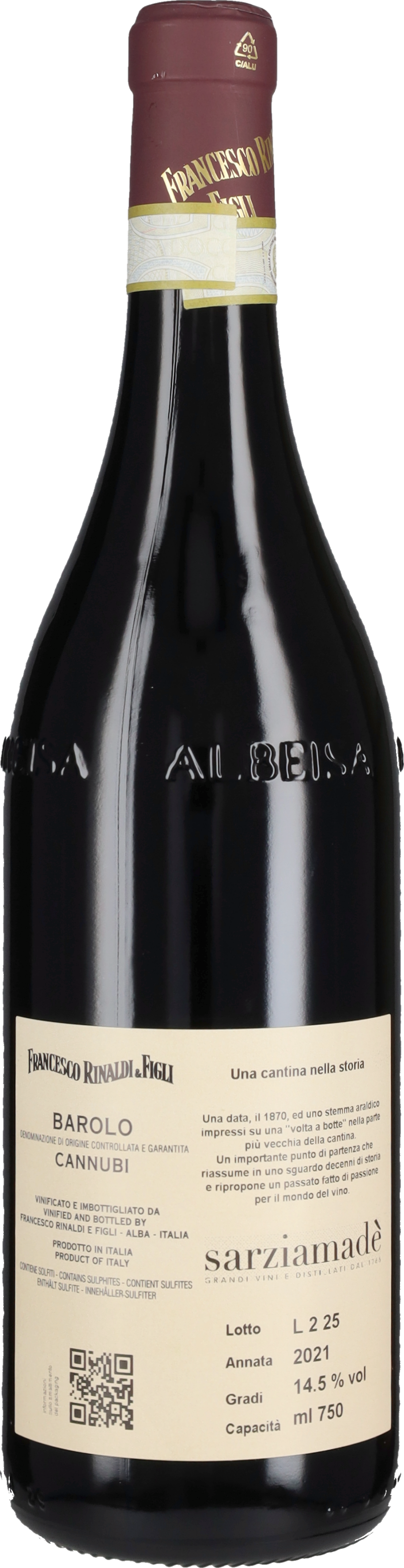
Rinaldi Francesco Barolo 'Cannubi' Francesco Rinaldi 2021Il Barolo “Cannubi” di Francesco Rinaldi è un vino rosso austero che saprà suscitare all’assaggiatore la voglia di visitare la mitica collina da cui provengono le sue uve. Occorre infatti dire qualche cosa in più riguardo questo importantissimo, se non unico, cru della denominazione. Terreni di diverse epoche si incontrano in equilibrio assoluto su questa collina: sabbia, argilla e calcare si mescolano in parcelle mai uguali tra loro all’interno dello stesso micro ambiente. I suoli sono leggiadri come i suoi vini, mai potenti o disturbanti. Cannubi viene identificato in etichetta per la prima volta nel 1752, addirittura ben prima della nascita della denominazione del Barolo e prima che la stessa parola compaia sulle etichette. La cantina possiede 2,4 ettari della collina divisa nel versante Cannubi e Cannubi Boschis. In vista di un parametro qualitativo sempre più alto, i pochi produttori operanti sulla collina si sono riuniti attorno ad un tavolo per decidere di seguire i dettami del biologico, in modo tale che il territorio diventasse un vero e proprio distretto mai minato da agenti esterni, ma che potesse rimanere intatto e potesse esprimere al massimo le sue peculiarità distintive. Il Barolo “Cannubi” è un vino frutto di una fermentazione alcolica svolta in contenitori di acciaio e di cemento, con rimontaggi continui di 20-30 giorni a cui segue un affinamento lungo di 3 anni in botti di rovere di Slavonia, per poi emergere nella sua veste distintiva ed esprimersi al meglio sostando in bottiglia, dove nel tempo saprà regalare le emozioni più diverse. L’incontro con un monumento del Barolo come Francesco Rinaldi rivela un vino rosso rubino dai risvolti granati, ma che con il passare degli anni evolverà in un elegante e sensazionale aranciato. Al naso si avverte la ciliegia in confettura con cannella, la fragola matura, note di tè nero, pellame, spezie, fiori appassiti, radice di liquirizia e sentori minerali. Al palato finezza ed eleganza sono uniche come questo cru, raffinatezza unica dovuta alle proprietà intrinseche della collina. Armonico, dal tannino astringente, asciutto ma ben bilanciato da una fresca eleganza. Un signore della terra in forma liquida che saprà stupire.68,00 £*Shipping: 48,00 £Secure redirect to the provider
-
Quaquarini Francesco Sangue di Giuda Francesco Quaquarini 2025Francesco Quaquarini's Sangue di Giuda is the label that best represents the history and tradition of the Oltrepò Pavese territory. It is a sparkling red wine with a sweetish taste, simple, fruity and characterized by easy, carefree drinking. It is made from the red grape varieties historically grown in this area: Croatina, Barbera and Ughetta di Canneto. It is a modern, quality version of the classic everyday wine that was never missing from Pavia's tables. The light residual sugar and sparkling brio allow the wine to be immediately ready to drink, even young, without having to wait for a period of ageing that would smooth out its tannic edges and exuberant freshness. Sangue di Giuda Quaquarini was born in the Monteveneroso hamlet of Canneto Pavese. It is a vast estate that can count on 690 hectares of vineyards cultivated among the rolling hills of Oltrepò Pavese. The vineyards are run under organic farming, and the production is a faithful mirror of the area's customs. Canneto's Croatina, Barbera and Ughetta vineyards are cultivated in the countryside surrounding Canneto Pavese, in a hilly area about 240 meters above sea level, on soils mainly composed of clay and silt. Harvesting is done manually, and the grapes are sent to fermentation in steel tanks at a temperature of 25-28 °C, with maceration on the skins lasting 4-8 days. Francesco Quaquarini's Sangue di Giuda wine is a classic version of this sweet, sparkling red, which continues to be the oenological symbol of the Oltrepò Pavese and its vocation for offering easy, simple wines. It is ideal to be enjoyed with a board of tasty local cured meats. It is ruby red in colour with light purplish reflections, indicating its youth. On the nose, it gives aromas of small red berries, cherry, plum and floral nuances of violet. The bite is sweet and lively, with light carbonicity and crisp fruit. The finish is harmonious and amiable. This is an easy, flowing bottle, the kind that finishes quickly, thanks in part to the low alcohol content.9,00 £*Shipping: 48,00 £Secure redirect to the provider
-
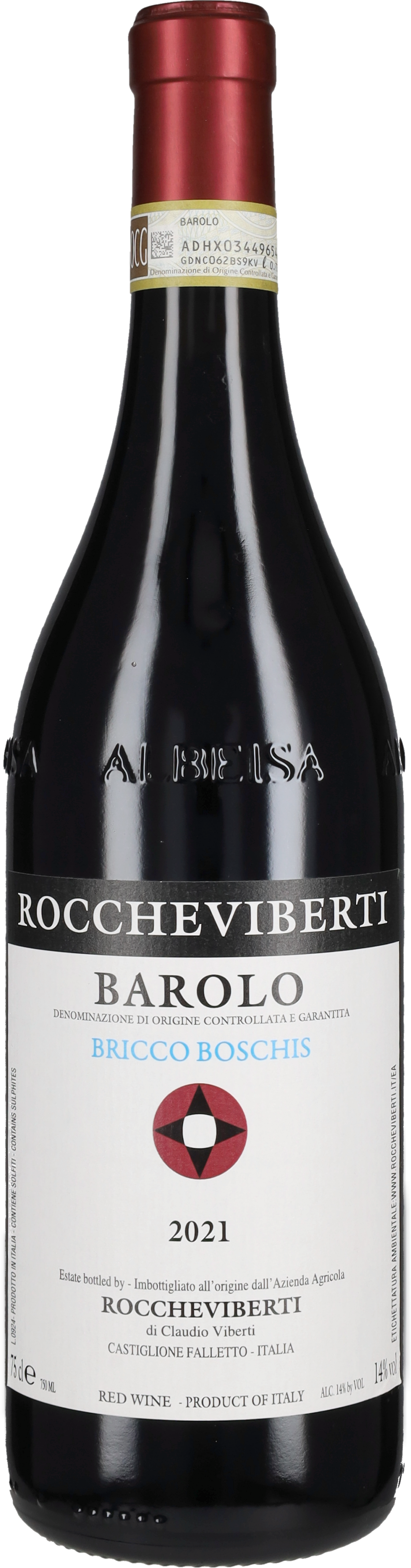
Nebbiolo 'Bricco Boschis' Cavallotto 2023Il vino Nebbiolo “Bricco Boschis” prende il proprio nome dall’omonimo vigneto, situato a Castiglione Falletto, in cui crescono le uve che lo compongono. Si tratta di un cru prestigioso, dove il Nebbiolo è libero di esprimersi al massimo delle sue caratteristiche, evidenziando una trama olfattiva in cui i tipici profumi di viola e rosa si avvertono nitidamente. Merito anche della filosofia produttiva dalla cantina Cavallotto, saldamente ancorata a tecniche di lavoro naturali, dove non si utilizzano prodotti chimici e ci si affida a principi di agricoltura biologica. Una scelta più che vincente, come dimostra il “Bricco Boschis”, etichetta in cui il sorso è a dir poco autentico. Il “Bricco Boschis” è un vino rosso che nasce da una selezione attenta, attuata dalla cantina Cavallotto, delle uve di Nebbiolo. Questo vitigno autoctono piemontese cresce all’interno di un vero e proprio cru, Bricco Boschis, da cui si scelgono anche le uve da destinare alla produzione di Barolo DOCG. Un terroir molto pregiato dunque, dove i grappoli crescono ricchi di personalità. Gli acini, una volta raccolti, fermentano grazie alla presenza di lieviti indigeni, macerando per circa 18-30 giorni. Quindi ha luogo l’affinamento, svolto per un periodo di 15-24 mesi in botti di rovere di Slavonia, e poi, dopo l’imbottigliamento, per 6 mesi direttamente in vetro. Questo “Bricco Boschis” Cavallotto è un Nebbiolo che, nel bicchiere, si presenta con un colore rosso granato, leggermente tendente all’aranciato nell’unghia. Il naso è presto avvolto da sensazioni floreali e fruttate, tipiche del vitigno utilizzato, arricchite anche da note che riportano al sottobosco. In bocca è di buona struttura tannica, con un sorso pieno connotato da una piacevole freschezza. E’ una bottiglia con cui la cantina Cavallotto celebra uno dei suoi cru più vocati, da cui nascono etichette sempre piacevoli e degne di assaggi attenti.35,00 £*Shipping: 48,00 £Secure redirect to the provider


-
Who is better, Paulo Dybala or Francesco Totti? If you don't know them, look them up.
Both Paulo Dybala and Francesco Totti are incredibly talented footballers, but it's difficult to compare them directly as they played in different eras and positions. Totti was a legendary playmaker and forward for AS Roma, known for his vision, passing, and scoring ability, while Dybala is a versatile forward known for his dribbling, creativity, and goal-scoring prowess. Both players have had significant impacts on their respective teams and have earned accolades for their performances. Ultimately, the question of who is better comes down to personal preference and the specific attributes one values in a player. **
-
Hello, who is better: Neymar or Francesco Totti? If you don't know these soccer players, watch videos of them.
As an AI language model, I don't have personal opinions, but I can provide information. Neymar and Francesco Totti are both highly skilled soccer players, but they have different playing styles and strengths. Neymar is known for his speed, dribbling, and goal-scoring ability, while Totti was known for his vision, passing, and leadership on the field. Both players have had successful careers and have made significant contributions to the sport. Ultimately, the answer to who is better is subjective and depends on individual preferences and opinions. **
-
I plan to study marine biology in order to potentially work abroad at an aquarium like SeaLife.
Studying marine biology will provide me with the necessary knowledge and skills to work in aquariums like SeaLife, where I can contribute to the conservation and preservation of marine life. Working abroad at such aquariums will allow me to gain valuable international experience and exposure to different marine ecosystems and species. This hands-on experience will not only enhance my understanding of marine biology but also help me make a positive impact on marine conservation efforts globally. **
-
I plan to study marine biology in order to potentially work abroad at an aquarium at SeaLife.
Studying marine biology will provide me with the necessary knowledge and skills to work in a variety of settings, including aquariums like SeaLife. Working abroad at SeaLife would allow me to gain valuable experience in a different cultural and environmental setting, further enhancing my understanding of marine life. This opportunity would also enable me to contribute to conservation efforts and educate the public about the importance of marine ecosystems. **

Are there shipwrecks in Minecraft Bedrock?
Yes, there are shipwrecks in Minecraft Bedrock. Shipwrecks can be found in ocean biomes and are made up of broken and sunken ships. Players can explore these shipwrecks to find loot such as treasure maps, emeralds, iron ingots, and other valuable items. Additionally, shipwrecks can be a source of building materials such as wood and planks. **
Do seabirds really get attracted by light?
Yes, seabirds can be attracted to artificial light sources, particularly at night. This can lead to disorientation and confusion for the birds, causing them to become stranded or collide with objects. This phenomenon is known as "attraction to light" and can have negative impacts on seabird populations. Conservation efforts often focus on reducing light pollution in coastal areas to minimize this risk to seabirds. **
Top-Angebote
Products related to Francesco-Boschis-Francesco-Boschis:
-
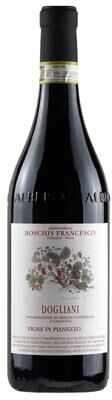
"""Francesco Boschis""" """Francesco Boschis Pianezzo Dolcetto di Dogliani 2023 Red Wine - Italy""""""The Boschis family has been specialized in producing it since the 1960s and aretrue experts, bringing us a unique Dolcetto featuring red tending to black fruits, with a luscious vinous quality and velvety finish in a charming package. Goes great..."24,97 $*Shipping: 0,00 $Secure redirect to the provider
-
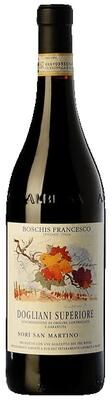
"""Francesco Boschis""" """Francesco Boschis Sori San Martino Dolcetto di Dogliani 2021 Red Wine - Italy""""""The cru of San Martino enjoys southeast facing exposure and runs from 450 to 580 meters above sea level. Grapes get a majority of their sun in the morning and are shaded from the heat of the day in the afternoon. The soil is slightly chalkier than..."26,97 $*Shipping: 0,00 $Secure redirect to the provider
-
Rinaldi Francesco Barolo 'Cannubi' Francesco Rinaldi 2021Il Barolo “Cannubi” di Francesco Rinaldi è un vino rosso austero che saprà suscitare all’assaggiatore la voglia di visitare la mitica collina da cui provengono le sue uve. Occorre infatti dire qualche cosa in più riguardo questo importantissimo, se non unico, cru della denominazione. Terreni di diverse epoche si incontrano in equilibrio assoluto su questa collina: sabbia, argilla e calcare si mescolano in parcelle mai uguali tra loro all’interno dello stesso micro ambiente. I suoli sono leggiadri come i suoi vini, mai potenti o disturbanti. Cannubi viene identificato in etichetta per la prima volta nel 1752, addirittura ben prima della nascita della denominazione del Barolo e prima che la stessa parola compaia sulle etichette. La cantina possiede 2,4 ettari della collina divisa nel versante Cannubi e Cannubi Boschis. In vista di un parametro qualitativo sempre più alto, i pochi produttori operanti sulla collina si sono riuniti attorno ad un tavolo per decidere di seguire i dettami del biologico, in modo tale che il territorio diventasse un vero e proprio distretto mai minato da agenti esterni, ma che potesse rimanere intatto e potesse esprimere al massimo le sue peculiarità distintive. Il Barolo “Cannubi” è un vino frutto di una fermentazione alcolica svolta in contenitori di acciaio e di cemento, con rimontaggi continui di 20-30 giorni a cui segue un affinamento lungo di 3 anni in botti di rovere di Slavonia, per poi emergere nella sua veste distintiva ed esprimersi al meglio sostando in bottiglia, dove nel tempo saprà regalare le emozioni più diverse. L’incontro con un monumento del Barolo come Francesco Rinaldi rivela un vino rosso rubino dai risvolti granati, ma che con il passare degli anni evolverà in un elegante e sensazionale aranciato. Al naso si avverte la ciliegia in confettura con cannella, la fragola matura, note di tè nero, pellame, spezie, fiori appassiti, radice di liquirizia e sentori minerali. Al palato finezza ed eleganza sono uniche come questo cru, raffinatezza unica dovuta alle proprietà intrinseche della collina. Armonico, dal tannino astringente, asciutto ma ben bilanciato da una fresca eleganza. Un signore della terra in forma liquida che saprà stupire.68,00 £*Shipping: 48,00 £Secure redirect to the provider
-
Quaquarini Francesco Sangue di Giuda Francesco Quaquarini 2025Francesco Quaquarini's Sangue di Giuda is the label that best represents the history and tradition of the Oltrepò Pavese territory. It is a sparkling red wine with a sweetish taste, simple, fruity and characterized by easy, carefree drinking. It is made from the red grape varieties historically grown in this area: Croatina, Barbera and Ughetta di Canneto. It is a modern, quality version of the classic everyday wine that was never missing from Pavia's tables. The light residual sugar and sparkling brio allow the wine to be immediately ready to drink, even young, without having to wait for a period of ageing that would smooth out its tannic edges and exuberant freshness. Sangue di Giuda Quaquarini was born in the Monteveneroso hamlet of Canneto Pavese. It is a vast estate that can count on 690 hectares of vineyards cultivated among the rolling hills of Oltrepò Pavese. The vineyards are run under organic farming, and the production is a faithful mirror of the area's customs. Canneto's Croatina, Barbera and Ughetta vineyards are cultivated in the countryside surrounding Canneto Pavese, in a hilly area about 240 meters above sea level, on soils mainly composed of clay and silt. Harvesting is done manually, and the grapes are sent to fermentation in steel tanks at a temperature of 25-28 °C, with maceration on the skins lasting 4-8 days. Francesco Quaquarini's Sangue di Giuda wine is a classic version of this sweet, sparkling red, which continues to be the oenological symbol of the Oltrepò Pavese and its vocation for offering easy, simple wines. It is ideal to be enjoyed with a board of tasty local cured meats. It is ruby red in colour with light purplish reflections, indicating its youth. On the nose, it gives aromas of small red berries, cherry, plum and floral nuances of violet. The bite is sweet and lively, with light carbonicity and crisp fruit. The finish is harmonious and amiable. This is an easy, flowing bottle, the kind that finishes quickly, thanks in part to the low alcohol content.9,00 £*Shipping: 48,00 £Secure redirect to the provider
-
Why was Francesco Schettino convicted?
Francesco Schettino was convicted for his role in the 2012 Costa Concordia cruise ship disaster, in which the ship ran aground off the coast of Italy, resulting in the deaths of 32 people. Schettino was found guilty of multiple charges, including manslaughter, causing a maritime disaster, and abandoning ship before all passengers and crew had been evacuated. His actions, including steering the ship too close to the shore and then abandoning it, were deemed reckless and negligent, leading to his conviction. **
-
Does Robin Schulz or Francesco Yates sing Sugar?
Robin Schulz is the artist who sings "Sugar," featuring Francesco Yates. Francesco Yates is a Canadian singer-songwriter who is featured on the track, providing the vocals alongside Robin Schulz. The song was released in 2015 and became a hit, reaching high positions on music charts around the world. **
-
Who is better, Paulo Dybala or Francesco Totti? If you don't know them, look them up.
Both Paulo Dybala and Francesco Totti are incredibly talented footballers, but it's difficult to compare them directly as they played in different eras and positions. Totti was a legendary playmaker and forward for AS Roma, known for his vision, passing, and scoring ability, while Dybala is a versatile forward known for his dribbling, creativity, and goal-scoring prowess. Both players have had significant impacts on their respective teams and have earned accolades for their performances. Ultimately, the question of who is better comes down to personal preference and the specific attributes one values in a player. **
-
Hello, who is better: Neymar or Francesco Totti? If you don't know these soccer players, watch videos of them.
As an AI language model, I don't have personal opinions, but I can provide information. Neymar and Francesco Totti are both highly skilled soccer players, but they have different playing styles and strengths. Neymar is known for his speed, dribbling, and goal-scoring ability, while Totti was known for his vision, passing, and leadership on the field. Both players have had successful careers and have made significant contributions to the sport. Ultimately, the answer to who is better is subjective and depends on individual preferences and opinions. **
Similar search terms for Francesco-Boschis-Francesco-Boschis
-
Nebbiolo 'Bricco Boschis' Cavallotto 2023Il vino Nebbiolo “Bricco Boschis” prende il proprio nome dall’omonimo vigneto, situato a Castiglione Falletto, in cui crescono le uve che lo compongono. Si tratta di un cru prestigioso, dove il Nebbiolo è libero di esprimersi al massimo delle sue caratteristiche, evidenziando una trama olfattiva in cui i tipici profumi di viola e rosa si avvertono nitidamente. Merito anche della filosofia produttiva dalla cantina Cavallotto, saldamente ancorata a tecniche di lavoro naturali, dove non si utilizzano prodotti chimici e ci si affida a principi di agricoltura biologica. Una scelta più che vincente, come dimostra il “Bricco Boschis”, etichetta in cui il sorso è a dir poco autentico. Il “Bricco Boschis” è un vino rosso che nasce da una selezione attenta, attuata dalla cantina Cavallotto, delle uve di Nebbiolo. Questo vitigno autoctono piemontese cresce all’interno di un vero e proprio cru, Bricco Boschis, da cui si scelgono anche le uve da destinare alla produzione di Barolo DOCG. Un terroir molto pregiato dunque, dove i grappoli crescono ricchi di personalità. Gli acini, una volta raccolti, fermentano grazie alla presenza di lieviti indigeni, macerando per circa 18-30 giorni. Quindi ha luogo l’affinamento, svolto per un periodo di 15-24 mesi in botti di rovere di Slavonia, e poi, dopo l’imbottigliamento, per 6 mesi direttamente in vetro. Questo “Bricco Boschis” Cavallotto è un Nebbiolo che, nel bicchiere, si presenta con un colore rosso granato, leggermente tendente all’aranciato nell’unghia. Il naso è presto avvolto da sensazioni floreali e fruttate, tipiche del vitigno utilizzato, arricchite anche da note che riportano al sottobosco. In bocca è di buona struttura tannica, con un sorso pieno connotato da una piacevole freschezza. E’ una bottiglia con cui la cantina Cavallotto celebra uno dei suoi cru più vocati, da cui nascono etichette sempre piacevoli e degne di assaggi attenti.35,00 £*Shipping: 48,00 £Secure redirect to the provider
-
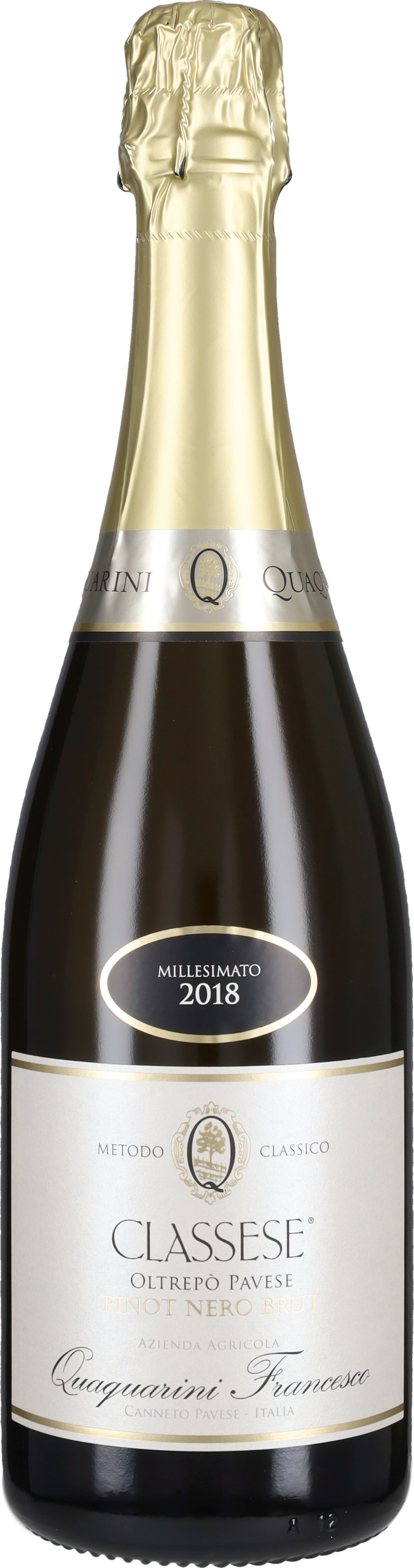
Quaquarini Francesco Spumante Metodo Classico Brut 'Classese' Francesco Quaquarini 2018Lo Spumante Brut “Classese” di Quaquarini è una bollicina piacevolmente fragrante, prodotta da una tradizionale cantina biologica situata tra le dolci colline dell’Oltrepò Pavese. Una bottiglia versatile, ideale per brindare durante le occasioni conviviali e per accompagnare in modo originale tutto il pasto. Un metodo classico fresco e diretto, che presenta allo stesso tempo una struttura consistente e ampia, che riesce ad esprimere in modo esemplare le caratteristiche di un territorio rurale antico, e una realtà familiare nella quale la coltivazione della vite si tramanda da più di tre generazioni. Francesco Quaquarini “Classese” si ottiene da un’attenta selezione delle migliori uve provenienti dalle parcelle di Pinot Nero della zona di Canneto Pavese. I vigneti sono situati nella fascia collinare più bassa, ad un’altitudine di circa 250 metri sul livello del mare. Qui, una viticoltura attenta all’ambiente e alle tecniche agricole locali garantisce una produzione eccellente. I terreni a media pendenza, con una buona composizione sabbiosa, permettono di ottenere grappoli sani e compatti, ideali per la produzione di spumanti fini ed aromatici. La vinificazione prevede una prima fermentazione in vasche di acciaio, e una seconda fermentazione in bottiglia con una successiva permanenza sui lieviti di 64 mesi. In questa fase si sviluppano le caratteristiche di complessità aromatica e la notevole struttura di questa interessante etichetta. Questa interpretazione del vitigno principe del metodo classico di Quaquarini è l’aperitivo frizzante ideale. La sua freschezza aromatica, di fiori bianchi e frutta fresca, lo rende estremamente interessante a inizio pasto e stimola l’accompagnamento a piatti a base di crostacei e pesce crudo. Nel calice presenta un colore giallo paglierino brillante con sfumature dorate. Il sorso è avvolgente, caratterizzato da un perlage cremoso e morbido, che riempie il palato con delicati aromi di pesca bianca e agrumi. Un finale lungo e finemente minerale, lasciano in bocca una sensazione di leggerezza e vivacità.22,00 £*Shipping: 48,00 £Secure redirect to the provider
-
Quaquarini Francesco Sangue di Giuda 'Acqua Calda' Francesco Quaquarini 2025The Lombard producer Francesco Quaquarini presents the Sangue di Giuda ‘Acqua Calda’, a peculiar sweet sparkling red wine with an engaging drinkability. The grapes destined for this label come from the historic plot of Sangue di Giuda ‘Vigna Acqua Calda’, named after the Acqua Calda road, an ancient spa area. The Sangue di Giuda from Oltrepò Pavese, until 2010 considered a type of the Oltrepò Pavese denomination, is a DOC that mainly involves the use of Barbera and Croatina to create a sparkling or sparkling dessert wine. Francesco Quaquarini Sangue di Giuda ‘Acqua Calda’ comes from a blend of Croatina (65%), Barbera (25%), and Ughetta di Canneto (10%), the name that the Vespolina grape takes locally. The vines are cultivated under certified organic regime in the municipality of Canneto Pavese, on hilly sandy soils located at an altitude of 240 meters above sea level. The harvest is done by hand, and in the winery, the alcoholic fermentation is accompanied by 4-8 days of maceration on the skins at a temperature between 25 and 28 °C, followed by the complete malolactic fermentation. The wine is then subjected to refermentation in the bottle and, after a short rest, marketed. The Sangue di Giuda ‘Acqua Calda’ by Francesco Quaquarini has a bright and intense ruby red color. On the nose, vivid and harmonious fruity aromas are perceived, particularly of red berries, enriched by fine floral hints. Elegant and pleasant taste, light and fresh, characterized by the right sweetness and excellent structure. The recommendation is to enjoy this Sangue di Giuda alone at the end of the meal or at the table paired with spicy cheeses or small pastries.11,00 £*Shipping: 48,00 £Secure redirect to the provider
-
I plan to study marine biology in order to potentially work abroad at an aquarium like SeaLife.
Studying marine biology will provide me with the necessary knowledge and skills to work in aquariums like SeaLife, where I can contribute to the conservation and preservation of marine life. Working abroad at such aquariums will allow me to gain valuable international experience and exposure to different marine ecosystems and species. This hands-on experience will not only enhance my understanding of marine biology but also help me make a positive impact on marine conservation efforts globally. **
-
I plan to study marine biology in order to potentially work abroad at an aquarium at SeaLife.
Studying marine biology will provide me with the necessary knowledge and skills to work in a variety of settings, including aquariums like SeaLife. Working abroad at SeaLife would allow me to gain valuable experience in a different cultural and environmental setting, further enhancing my understanding of marine life. This opportunity would also enable me to contribute to conservation efforts and educate the public about the importance of marine ecosystems. **
-
Are there shipwrecks in Minecraft Bedrock?
Yes, there are shipwrecks in Minecraft Bedrock. Shipwrecks can be found in ocean biomes and are made up of broken and sunken ships. Players can explore these shipwrecks to find loot such as treasure maps, emeralds, iron ingots, and other valuable items. Additionally, shipwrecks can be a source of building materials such as wood and planks. **
-
Do seabirds really get attracted by light?
Yes, seabirds can be attracted to artificial light sources, particularly at night. This can lead to disorientation and confusion for the birds, causing them to become stranded or collide with objects. This phenomenon is known as "attraction to light" and can have negative impacts on seabird populations. Conservation efforts often focus on reducing light pollution in coastal areas to minimize this risk to seabirds. **
* All prices are inclusive of VAT and, if applicable, plus shipping costs. The offer information is based on the details provided by the respective shop and is updated through automated processes. Real-time updates do not occur, so deviations can occur in individual cases. ** Note: Parts of this content were created by AI.