Buy balticseal.eu ?
We are moving the project
balticseal.eu .
Are you interested in purchasing the domain
balticseal.eu ?
domain@kv-gmbh.de · 0541-91531010
Buy balticseal.eu ?
Are halogenoalkanes nonpolar?
Halogenoalkanes are generally considered to be polar molecules. This is because the carbon-halogen bond is polar due to the difference in electronegativity between carbon and the halogen atom. The halogen atom is more electronegative than carbon, causing a partial negative charge on the halogen and a partial positive charge on the carbon. This uneven distribution of charge results in a polar molecule. **
What are halogenoalkanes?
Halogenoalkanes, also known as alkyl halides, are organic compounds that contain one or more halogen atoms (fluorine, chlorine, bromine, or iodine) bonded to an alkane carbon chain. The general formula for halogenoalkanes is R-X, where R represents the alkyl group and X represents the halogen atom. These compounds are widely used in organic synthesis, as solvents, and as intermediates in the production of various chemicals. Halogenoalkanes are classified based on the number of halogen atoms attached to the alkane carbon chain, such as mono-, di-, or polyhalogenoalkanes. **

Similar search terms for Halogenoalkanes
Top-Angebote
Products related to Halogenoalkanes:
-
Addison Rugs Premium Washable Super Soft Coastal Sealife Mayfield RugAdd a splash of ocean charm with sealife in a coastal design. This rug brings a playful beachy feel to your home. Suitable for indoor and covered outdoor areas, it boasts a soft, thick, and plush microfiber pile.58,79 $*Shipping: 0,00 $Secure redirect to the provider
-
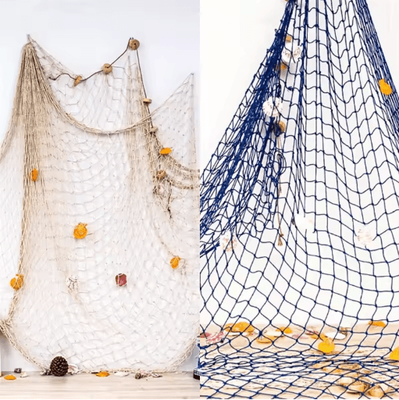
Inspire Picks Nautical Fishing Net Wall Decor Coastal Marine Hanging Ornament starBring seaside charm into your space with this stylish nautical fishing net decor. Inspired by coastal living, it adds texture and character while creating a relaxed, oceaninspired vibe. Perfect for beach lovers and creative decorators, this marine...34,93 $*Shipping: 0,00 $Secure redirect to the provider
-
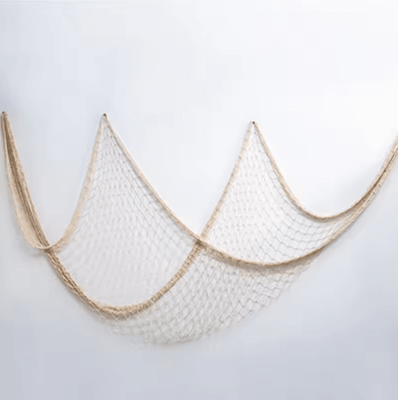
Inspire Picks Nautical Fishing Net Wall Decor Coastal Marine Hanging Ornament a WhiteBring seaside charm into your space with this stylish nautical fishing net decor. Inspired by coastal living, it adds texture and character while creating a relaxed, oceaninspired vibe. Perfect for beach lovers and creative decorators, this marine...34,93 $*Shipping: 0,00 $Secure redirect to the provider
-
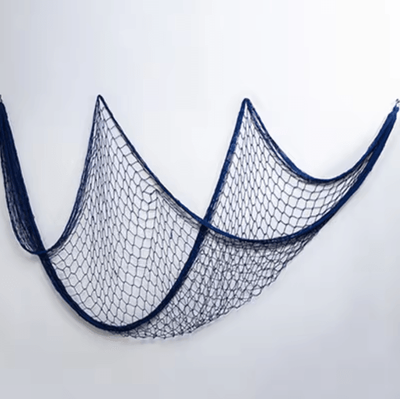
Inspire Picks Nautical Fishing Net Wall Decor Coastal Marine Hanging Ornament blue 1Bring seaside charm into your space with this stylish nautical fishing net decor. Inspired by coastal living, it adds texture and character while creating a relaxed, oceaninspired vibe. Perfect for beach lovers and creative decorators, this marine...34,93 $*Shipping: 0,00 $Secure redirect to the provider


-
Why are halogenoalkanes gaseous?
Halogenoalkanes are gaseous at room temperature because they have relatively weak intermolecular forces. The halogen atoms in halogenoalkanes are larger and more polarizable than other atoms, which leads to weaker van der Waals forces between molecules. As a result, halogenoalkanes have lower boiling points and are more likely to exist as gases at room temperature compared to other types of organic compounds. **
-
What is the nomenclature of halogenoalkanes?
Halogenoalkanes are named using the IUPAC system, where the halogen atom is treated as a substituent on an alkane chain. The halogen is named as a prefix (fluoro-, chloro-, bromo-, iodo-) followed by the alkane name indicating the number of carbon atoms in the longest chain. The position of the halogen atom is indicated by the number of the carbon atom it is attached to, starting from the end nearest to the halogen. If there are multiple halogen atoms, the positions are indicated by numbers separated by commas. **
-
What is the solubility of halogenoalkanes?
The solubility of halogenoalkanes, also known as alkyl halides, varies depending on the specific compound and the solvent. Generally, halogenoalkanes are not very soluble in water due to their non-polar nature and the strong dipole-dipole interactions between the halogen and the alkyl group. However, they are more soluble in organic solvents such as dichloromethane, chloroform, and ether due to their similar non-polar nature. The solubility of halogenoalkanes can also be influenced by the size and structure of the alkyl group and the type of halogen present in the molecule. **
-
Why was the use of halogenoalkanes heavily restricted?
The use of halogenoalkanes was heavily restricted due to their harmful effects on the environment and human health. Halogenoalkanes are known to be persistent organic pollutants that can bioaccumulate in the food chain, leading to long-term environmental damage. Additionally, some halogenoalkanes have been linked to ozone depletion and global warming. Therefore, restrictions were put in place to minimize their release into the environment and protect both ecosystems and human health. **
How are halogenoalkanes broken down in the atmosphere?
Halogenoalkanes are broken down in the atmosphere through a process called photolysis, which is the breaking down of molecules by sunlight. When halogenoalkanes are exposed to sunlight, the carbon-halogen bond is broken, releasing a halogen atom. This free halogen atom can then react with ozone in the atmosphere, leading to the depletion of the ozone layer. This process contributes to environmental issues such as ozone depletion and global warming. **
How are halogenoalkanes produced in a chemical emergency?
Halogenoalkanes can be produced in a chemical emergency through the process of halogenation, where a halogen (such as chlorine or bromine) is added to an alkane. This can occur unintentionally in industrial accidents or chemical spills involving halogen-containing compounds. For example, if a chlorine gas leak were to occur in a facility handling organic compounds, the chlorine could react with the organic molecules to form halogenoalkanes. These accidental reactions can result in the production of potentially hazardous halogenoalkanes, which can pose risks to human health and the environment. **
Top-Angebote
Products related to Halogenoalkanes:
-
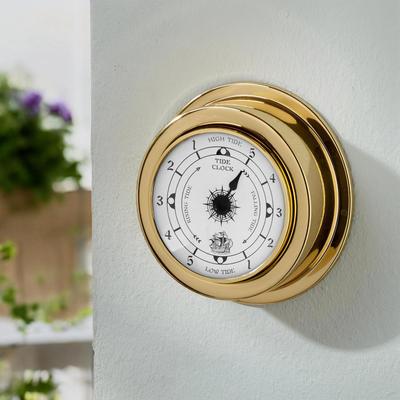
Daily Discovery Marine Tide Clock Nautical Wall Clock For Boats, Yachts And Coastal Home Decor Marine Tide Clock Nautical Wall Clock For Boats, Yachts And Coastal Home DecorEnjoy every trip on the water with a reliable Marine Tide Clock designed to help you stay aware of changing tidal conditions. Whether you're a sailor, angler, boater, or coastal homeowner, this compact clock combines practical function with timeless...68,97 $*Shipping: 0,00 $Secure redirect to the provider
-
Inspire Picks Nautical Fishing Net Wall Decor Coastal Marine Hanging Ornament shellBring seaside charm into your space with this stylish nautical fishing net decor. Inspired by coastal living, it adds texture and character while creating a relaxed, oceaninspired vibe. Perfect for beach lovers and creative decorators, this marine...34,93 $*Shipping: 0,00 $Secure redirect to the provider
-
Addison Rugs Premium Washable Super Soft Coastal Sealife Mayfield RugAdd a splash of ocean charm with sealife in a coastal design. This rug brings a playful beachy feel to your home. Suitable for indoor and covered outdoor areas, it boasts a soft, thick, and plush microfiber pile.58,79 $*Shipping: 0,00 $Secure redirect to the provider
-
Inspire Picks Nautical Fishing Net Wall Decor Coastal Marine Hanging Ornament starBring seaside charm into your space with this stylish nautical fishing net decor. Inspired by coastal living, it adds texture and character while creating a relaxed, oceaninspired vibe. Perfect for beach lovers and creative decorators, this marine...34,93 $*Shipping: 0,00 $Secure redirect to the provider
-
Are halogenoalkanes nonpolar?
Halogenoalkanes are generally considered to be polar molecules. This is because the carbon-halogen bond is polar due to the difference in electronegativity between carbon and the halogen atom. The halogen atom is more electronegative than carbon, causing a partial negative charge on the halogen and a partial positive charge on the carbon. This uneven distribution of charge results in a polar molecule. **
-
What are halogenoalkanes?
Halogenoalkanes, also known as alkyl halides, are organic compounds that contain one or more halogen atoms (fluorine, chlorine, bromine, or iodine) bonded to an alkane carbon chain. The general formula for halogenoalkanes is R-X, where R represents the alkyl group and X represents the halogen atom. These compounds are widely used in organic synthesis, as solvents, and as intermediates in the production of various chemicals. Halogenoalkanes are classified based on the number of halogen atoms attached to the alkane carbon chain, such as mono-, di-, or polyhalogenoalkanes. **
-
Why are halogenoalkanes gaseous?
Halogenoalkanes are gaseous at room temperature because they have relatively weak intermolecular forces. The halogen atoms in halogenoalkanes are larger and more polarizable than other atoms, which leads to weaker van der Waals forces between molecules. As a result, halogenoalkanes have lower boiling points and are more likely to exist as gases at room temperature compared to other types of organic compounds. **
-
What is the nomenclature of halogenoalkanes?
Halogenoalkanes are named using the IUPAC system, where the halogen atom is treated as a substituent on an alkane chain. The halogen is named as a prefix (fluoro-, chloro-, bromo-, iodo-) followed by the alkane name indicating the number of carbon atoms in the longest chain. The position of the halogen atom is indicated by the number of the carbon atom it is attached to, starting from the end nearest to the halogen. If there are multiple halogen atoms, the positions are indicated by numbers separated by commas. **
Similar search terms for Halogenoalkanes
-
Inspire Picks Nautical Fishing Net Wall Decor Coastal Marine Hanging Ornament a WhiteBring seaside charm into your space with this stylish nautical fishing net decor. Inspired by coastal living, it adds texture and character while creating a relaxed, oceaninspired vibe. Perfect for beach lovers and creative decorators, this marine...34,93 $*Shipping: 0,00 $Secure redirect to the provider
-
Inspire Picks Nautical Fishing Net Wall Decor Coastal Marine Hanging Ornament blue 1Bring seaside charm into your space with this stylish nautical fishing net decor. Inspired by coastal living, it adds texture and character while creating a relaxed, oceaninspired vibe. Perfect for beach lovers and creative decorators, this marine...34,93 $*Shipping: 0,00 $Secure redirect to the provider
-
Inspire Picks Nautical Fishing Net Wall Decor Coastal Marine Hanging Ornament a BlueBring seaside charm into your space with this stylish nautical fishing net decor. Inspired by coastal living, it adds texture and character while creating a relaxed, oceaninspired vibe. Perfect for beach lovers and creative decorators, this marine...34,93 $*Shipping: 0,00 $Secure redirect to the provider
-
Inspire Picks Nautical Fishing Net Wall Decor Coastal Marine Hanging Ornament blue 2Bring seaside charm into your space with this stylish nautical fishing net decor. Inspired by coastal living, it adds texture and character while creating a relaxed, oceaninspired vibe. Perfect for beach lovers and creative decorators, this marine...34,93 $*Shipping: 0,00 $Secure redirect to the provider
-
What is the solubility of halogenoalkanes?
The solubility of halogenoalkanes, also known as alkyl halides, varies depending on the specific compound and the solvent. Generally, halogenoalkanes are not very soluble in water due to their non-polar nature and the strong dipole-dipole interactions between the halogen and the alkyl group. However, they are more soluble in organic solvents such as dichloromethane, chloroform, and ether due to their similar non-polar nature. The solubility of halogenoalkanes can also be influenced by the size and structure of the alkyl group and the type of halogen present in the molecule. **
-
Why was the use of halogenoalkanes heavily restricted?
The use of halogenoalkanes was heavily restricted due to their harmful effects on the environment and human health. Halogenoalkanes are known to be persistent organic pollutants that can bioaccumulate in the food chain, leading to long-term environmental damage. Additionally, some halogenoalkanes have been linked to ozone depletion and global warming. Therefore, restrictions were put in place to minimize their release into the environment and protect both ecosystems and human health. **
-
How are halogenoalkanes broken down in the atmosphere?
Halogenoalkanes are broken down in the atmosphere through a process called photolysis, which is the breaking down of molecules by sunlight. When halogenoalkanes are exposed to sunlight, the carbon-halogen bond is broken, releasing a halogen atom. This free halogen atom can then react with ozone in the atmosphere, leading to the depletion of the ozone layer. This process contributes to environmental issues such as ozone depletion and global warming. **
-
How are halogenoalkanes produced in a chemical emergency?
Halogenoalkanes can be produced in a chemical emergency through the process of halogenation, where a halogen (such as chlorine or bromine) is added to an alkane. This can occur unintentionally in industrial accidents or chemical spills involving halogen-containing compounds. For example, if a chlorine gas leak were to occur in a facility handling organic compounds, the chlorine could react with the organic molecules to form halogenoalkanes. These accidental reactions can result in the production of potentially hazardous halogenoalkanes, which can pose risks to human health and the environment. **
* All prices are inclusive of VAT and, if applicable, plus shipping costs. The offer information is based on the details provided by the respective shop and is updated through automated processes. Real-time updates do not occur, so deviations can occur in individual cases. ** Note: Parts of this content were created by AI.