Buy balticseal.eu ?
We are moving the project
balticseal.eu .
Are you interested in purchasing the domain
balticseal.eu ?
domain@kv-gmbh.de · 0541-91531010
Buy balticseal.eu ?
What is the meaning of Kin?
Kin refers to one's family, relatives, or a group of people who are related by blood or marriage. It can also be used to describe a sense of connection or belonging to a particular community or group. In some cultures, kinship extends beyond biological ties to include close friends or individuals who are considered part of the family unit. Overall, kin represents the bonds and relationships that tie individuals together in a shared sense of identity and support. **
What is needed for studying orthodontics?
To study orthodontics, one typically needs to have a bachelor's degree in a related field such as biology or chemistry. After completing a bachelor's degree, one must attend dental school to earn a Doctor of Dental Surgery (DDS) or Doctor of Dental Medicine (DMD) degree. Following dental school, additional training and education in orthodontics is required through a postgraduate orthodontic residency program, which can take an additional 2-3 years to complete. **

Similar search terms for Kin-Normal-wax-Orthodontics
Top-Angebote
Products related to Kin-Normal-wax-Orthodontics:
-
Kin Kin Soft ToothbrushHealth and Beauty Oral Care Kin Kin Soft Toothbrush Attractive design and studied ergonomics. Kin interproximal toothbrushes are marketed with several diameter widths to satisfy every need: microprox, miniprox and conical miniprox.5,94 £*Shipping: 3,99 £Secure redirect to the provider
-
Kin Dental brush Kin JuniorHealth and Beauty Oral Care Kin Dental brush Kin Junior With rounded and polished bristles and small and angled head it reaches everywhere. Ergonomic and grooved handle for a a good grip. It comes up with a protective cap. The small and rounded bristles do not damage the gums. Ergonomic handle for an easy use. It is ideal for the intensive oral care of children aged 6 to 12. Presentations: Blister5,94 £*Shipping: 3,99 £Secure redirect to the provider
-
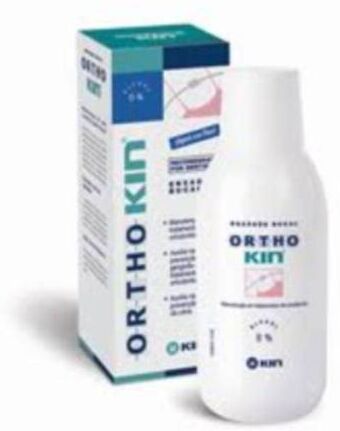
Kin Ortho-Kin mouthwash 500 mlHealth and Beauty Oral Care Kin Ortho-Kin mouthwash 500 ml The combination of chlorhexidine digluconate and zinc acetate, active ingredients, offers a synergistic action boosting the antiseptic effect. Fluoride provides prevention of caries and remineralisation of dental enamel. Indications - Specific oral hygiene for wearers of orthodontic braces. - Prevention and control of dental plaque. - Prevention of caries. Guidelines for administration Rinse for one minute with 15 ml of the undiluted product, twice a day, after brushing mornings and nights. We recommend not to ingest food nor beverages until half an hour after its use. Do not swallow. Precautions Keep out of reach of children11,48 £*Shipping: 4,99 £Secure redirect to the provider
-
Kin Kin Oro Cleaning Tablets 30 UnitsHealth and Beauty Oral Care Kin Kin Oro Cleaning Tablets 30 Units Remove stains and plaque adhered from dental prostheses, removable orthodontic appliances and mouthguards. Guidelines for administration -Bring an effervescent tablet into a Kin container with lukewarm water. -Immerse the dental prosthesis completely. -Leave it to act for 10 minutes or overnight for a more accurate cleansing. -Rinse the prosthesis with abundant water before putting it in your mouth Precautions Keep out of reach of children. External use only. Do not swallow. Presentations: Caja con 30 tabletas limpiadoras5,33 £*Shipping: 3,99 £Secure redirect to the provider


-
What are bio-arches or orthodontics?
Bio-arches, also known as orthodontics, are a branch of dentistry that focuses on correcting irregularities in the teeth and jaws. This can include issues such as misaligned teeth, overbites, underbites, and crowded teeth. Orthodontic treatment often involves the use of braces, aligners, and other dental appliances to gradually move the teeth into their proper positions. The goal of bio-arches or orthodontics is to improve the function and appearance of the teeth and jaws, as well as overall oral health. **
-
What is a palate anchorage in orthodontics?
In orthodontics, palate anchorage refers to using the roof of the mouth (palate) as a source of anchorage to help move teeth into their correct positions. This technique is often used when there is a need to create space or correct the alignment of teeth. Palate anchorage can be achieved through the use of devices such as palatal expanders or temporary anchorage devices (TADs) that are attached to the palate to provide additional support during orthodontic treatment. By utilizing palate anchorage, orthodontists can achieve more precise and effective tooth movement. **
-
What is a functional analysis in orthodontics?
A functional analysis in orthodontics is a comprehensive evaluation of the relationship between the teeth, jaws, and surrounding structures to assess how they function together. This analysis helps orthodontists understand how the patient's bite and jaw movements may be contributing to any orthodontic issues. By examining factors such as jaw alignment, muscle function, and bite patterns, orthodontists can develop a treatment plan that addresses not only the alignment of the teeth but also the overall function of the patient's bite. This approach ensures that the orthodontic treatment not only improves the aesthetics of the smile but also enhances the overall function and health of the patient's bite. **
-
What is a palatal anchorage in orthodontics?
Palatal anchorage in orthodontics refers to the use of the palate (the roof of the mouth) as a stable point of support to help move teeth into their correct positions. This technique is often used in cases where there is a need to prevent unwanted movement of certain teeth while adjusting the position of others. Palatal anchorage can be achieved through the use of devices such as palatal expanders or temporary implants that are attached to the palate to provide additional support during orthodontic treatment. **

What is a palate anchor in orthodontics?
A palate anchor in orthodontics is a device used to widen the upper jaw. It is typically attached to the roof of the mouth and connected to braces or other orthodontic appliances. The palate anchor helps create more space in the mouth for crowded teeth and can also help correct bite issues. This device is often used in conjunction with other orthodontic treatments to achieve optimal results. **
What level of education is required for orthodontics?
To become an orthodontist, one must complete a bachelor's degree, followed by four years of dental school to earn a Doctor of Dental Surgery (DDS) or Doctor of Dental Medicine (DMD) degree. After dental school, orthodontists must complete an additional two to three years of specialized training in an orthodontic residency program. This means that a total of 10-11 years of education and training is required to become an orthodontist. **
Top-Angebote
Products related to Kin-Normal-wax-Orthodontics:
-
Kin Normal wax OrthodonticsHealth and Beauty Oral Care Kin Normal wax Orthodontics Orthodontic wax to prevent the brackets from rubbing the buccal mucose by covering the edges of the appliances and braces causing the pain. Contains five 4.5 mm x 55 mm bars. Guidelines for administration: Cut a piece of the orthodontic wax from the case and apply on the area (wire or bracket) causing the pain. Presentations: 5 barras6,36 £*Shipping: 3,99 £Secure redirect to the provider
-
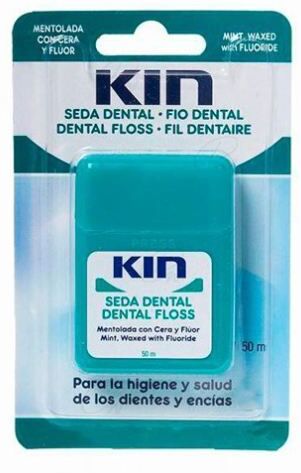
Kin Dental floss with wax mintyHealth and Beauty Oral Care Kin Dental floss with wax minty Kin mentholated and waxed dental floss effectively removes dental plaque accumulated in the smallest places of the oral cavity. Guidelines for administration Work the dental floss in between the interdental spaces where the regular toothbrush can not reach. Presentations: 50m3,97 £*Shipping: 3,99 £Secure redirect to the provider
-
Kin Kin Soft ToothbrushHealth and Beauty Oral Care Kin Kin Soft Toothbrush Attractive design and studied ergonomics. Kin interproximal toothbrushes are marketed with several diameter widths to satisfy every need: microprox, miniprox and conical miniprox.5,94 £*Shipping: 3,99 £Secure redirect to the provider
-
Kin Dental brush Kin JuniorHealth and Beauty Oral Care Kin Dental brush Kin Junior With rounded and polished bristles and small and angled head it reaches everywhere. Ergonomic and grooved handle for a a good grip. It comes up with a protective cap. The small and rounded bristles do not damage the gums. Ergonomic handle for an easy use. It is ideal for the intensive oral care of children aged 6 to 12. Presentations: Blister5,94 £*Shipping: 3,99 £Secure redirect to the provider
-
What is the meaning of Kin?
Kin refers to one's family, relatives, or a group of people who are related by blood or marriage. It can also be used to describe a sense of connection or belonging to a particular community or group. In some cultures, kinship extends beyond biological ties to include close friends or individuals who are considered part of the family unit. Overall, kin represents the bonds and relationships that tie individuals together in a shared sense of identity and support. **
-
What is needed for studying orthodontics?
To study orthodontics, one typically needs to have a bachelor's degree in a related field such as biology or chemistry. After completing a bachelor's degree, one must attend dental school to earn a Doctor of Dental Surgery (DDS) or Doctor of Dental Medicine (DMD) degree. Following dental school, additional training and education in orthodontics is required through a postgraduate orthodontic residency program, which can take an additional 2-3 years to complete. **
-
What are bio-arches or orthodontics?
Bio-arches, also known as orthodontics, are a branch of dentistry that focuses on correcting irregularities in the teeth and jaws. This can include issues such as misaligned teeth, overbites, underbites, and crowded teeth. Orthodontic treatment often involves the use of braces, aligners, and other dental appliances to gradually move the teeth into their proper positions. The goal of bio-arches or orthodontics is to improve the function and appearance of the teeth and jaws, as well as overall oral health. **
-
What is a palate anchorage in orthodontics?
In orthodontics, palate anchorage refers to using the roof of the mouth (palate) as a source of anchorage to help move teeth into their correct positions. This technique is often used when there is a need to create space or correct the alignment of teeth. Palate anchorage can be achieved through the use of devices such as palatal expanders or temporary anchorage devices (TADs) that are attached to the palate to provide additional support during orthodontic treatment. By utilizing palate anchorage, orthodontists can achieve more precise and effective tooth movement. **
Similar search terms for Kin-Normal-wax-Orthodontics
-
Kin Ortho-Kin mouthwash 500 mlHealth and Beauty Oral Care Kin Ortho-Kin mouthwash 500 ml The combination of chlorhexidine digluconate and zinc acetate, active ingredients, offers a synergistic action boosting the antiseptic effect. Fluoride provides prevention of caries and remineralisation of dental enamel. Indications - Specific oral hygiene for wearers of orthodontic braces. - Prevention and control of dental plaque. - Prevention of caries. Guidelines for administration Rinse for one minute with 15 ml of the undiluted product, twice a day, after brushing mornings and nights. We recommend not to ingest food nor beverages until half an hour after its use. Do not swallow. Precautions Keep out of reach of children11,48 £*Shipping: 4,99 £Secure redirect to the provider
-
Kin Kin Oro Cleaning Tablets 30 UnitsHealth and Beauty Oral Care Kin Kin Oro Cleaning Tablets 30 Units Remove stains and plaque adhered from dental prostheses, removable orthodontic appliances and mouthguards. Guidelines for administration -Bring an effervescent tablet into a Kin container with lukewarm water. -Immerse the dental prosthesis completely. -Leave it to act for 10 minutes or overnight for a more accurate cleansing. -Rinse the prosthesis with abundant water before putting it in your mouth Precautions Keep out of reach of children. External use only. Do not swallow. Presentations: Caja con 30 tabletas limpiadoras5,33 £*Shipping: 3,99 £Secure redirect to the provider
-
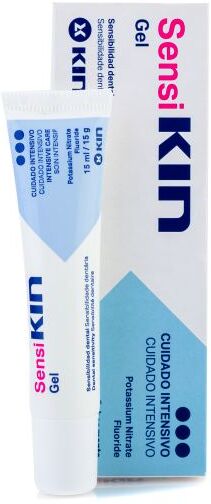
Kin Sensi-kin gel 15 ml 15 mlHealth and Beauty Oral Care Kin Sensi-kin gel 15 ml 15 ml Formulated with high concentration of potassium nitrate (10 %) and sodium fluoride (0.22 % equivalent to 1000 ppm fluoride). Sensikin gel decreases dental sensitivity in severe cases requiring immediate relief to rapidly minimise the pain. Sensikin gels presentation allows a local application on the affected area. Guidelines for administration Apply the gel with your fingers or a soft toothbrush, twice or three times a day. Use it after every meal. We recommend not to ingest food nor beverages until half an hour after its use. For a better effectiveness apply at nights. Do not rinse. Precautions Keep out of reach of children.6,28 £*Shipping: 3,99 £Secure redirect to the provider
-
Kin Fluor Kin Anticavity Mint Toothpaste 125 mlHealth and Beauty Oral Care Kin Fluor Kin Anticavity Mint Toothpaste 125 ml Dental caries is one of the most common chronic dental diseases. That's why prevention and oral hygiene are so important. Cavities are caused by a combination of factors, such as frequent sugar intake, acid-producing oral bacteria, and poor dental hygiene, among others. To prevent these dental lesions, it's best to use a toothpaste and mouthwash containing sodium fluoride. Composition : Sodium Fluoride: 1450 ppm F– Indications : To prevent cavities, it is essential to use fluoride products and brush your teeth properly. Fluoride promotes the remineralization of tooth enamel and prevents plaque from adhering to tooth surfaces. Directions for use : To prevent cavities, you should brush your teeth for at least 2 to 3 minutes, 3 times a day, preferably after each meal and before going to bed. Daily brushing will help you maintain your oral hygiene. Complete the treatment with dental floss and mouthwash. Format : Fresh mint 125ml6,98 £*Shipping: 3,99 £Secure redirect to the provider
-
What is a functional analysis in orthodontics?
A functional analysis in orthodontics is a comprehensive evaluation of the relationship between the teeth, jaws, and surrounding structures to assess how they function together. This analysis helps orthodontists understand how the patient's bite and jaw movements may be contributing to any orthodontic issues. By examining factors such as jaw alignment, muscle function, and bite patterns, orthodontists can develop a treatment plan that addresses not only the alignment of the teeth but also the overall function of the patient's bite. This approach ensures that the orthodontic treatment not only improves the aesthetics of the smile but also enhances the overall function and health of the patient's bite. **
-
What is a palatal anchorage in orthodontics?
Palatal anchorage in orthodontics refers to the use of the palate (the roof of the mouth) as a stable point of support to help move teeth into their correct positions. This technique is often used in cases where there is a need to prevent unwanted movement of certain teeth while adjusting the position of others. Palatal anchorage can be achieved through the use of devices such as palatal expanders or temporary implants that are attached to the palate to provide additional support during orthodontic treatment. **
-
What is a palate anchor in orthodontics?
A palate anchor in orthodontics is a device used to widen the upper jaw. It is typically attached to the roof of the mouth and connected to braces or other orthodontic appliances. The palate anchor helps create more space in the mouth for crowded teeth and can also help correct bite issues. This device is often used in conjunction with other orthodontic treatments to achieve optimal results. **
-
What level of education is required for orthodontics?
To become an orthodontist, one must complete a bachelor's degree, followed by four years of dental school to earn a Doctor of Dental Surgery (DDS) or Doctor of Dental Medicine (DMD) degree. After dental school, orthodontists must complete an additional two to three years of specialized training in an orthodontic residency program. This means that a total of 10-11 years of education and training is required to become an orthodontist. **
* All prices are inclusive of VAT and, if applicable, plus shipping costs. The offer information is based on the details provided by the respective shop and is updated through automated processes. Real-time updates do not occur, so deviations can occur in individual cases. ** Note: Parts of this content were created by AI.