Buy balticseal.eu ?
We are moving the project
balticseal.eu .
Are you interested in purchasing the domain
balticseal.eu ?
domain@kv-gmbh.de · 0541-91531010
Buy balticseal.eu ?
Where should the cutoff frequencies of high-pass, low-pass, and band-pass filters be placed?
The cutoff frequencies of high-pass filters should be placed above the frequency range of interest, allowing only high frequencies to pass through. For low-pass filters, the cutoff frequencies should be placed below the frequency range of interest, allowing only low frequencies to pass through. In the case of band-pass filters, the cutoff frequencies should be placed within the desired frequency range to allow a specific band of frequencies to pass through while attenuating others. **
What are bass, treble, and low-pass settings?
Bass, treble, and low-pass settings are audio equalization controls commonly found on audio devices such as stereos, amplifiers, and headphones. Bass controls adjust the lower frequencies, allowing you to increase or decrease the depth and richness of the sound. Treble controls adjust the higher frequencies, enabling you to enhance or reduce the clarity and brightness of the sound. Low-pass settings are filters that allow frequencies below a certain point to pass through, typically used to control the amount of bass in the audio output. **

Similar search terms for Low-pass
Top-Angebote
Products related to Low-pass:
-
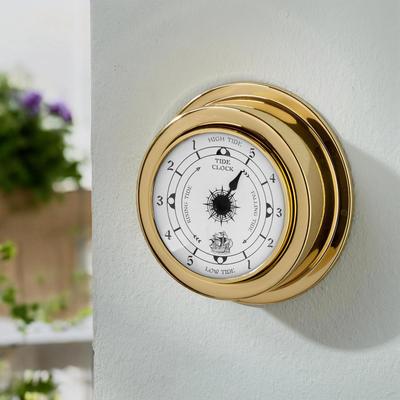
Daily Discovery Marine Tide Clock Nautical Wall Clock For Boats, Yachts And Coastal Home Decor Marine Tide Clock Nautical Wall Clock For Boats, Yachts And Coastal Home DecorEnjoy every trip on the water with a reliable Marine Tide Clock designed to help you stay aware of changing tidal conditions. Whether you're a sailor, angler, boater, or coastal homeowner, this compact clock combines practical function with timeless...68,97 $*Shipping: 0,00 $Secure redirect to the provider
-
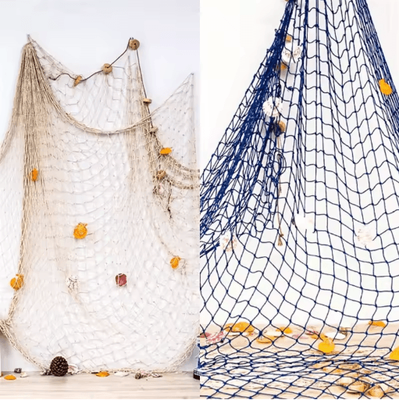
Inspire Picks Nautical Fishing Net Wall Decor Coastal Marine Hanging Ornament starBring seaside charm into your space with this stylish nautical fishing net decor. Inspired by coastal living, it adds texture and character while creating a relaxed, oceaninspired vibe. Perfect for beach lovers and creative decorators, this marine...34,93 $*Shipping: 0,00 $Secure redirect to the provider
-
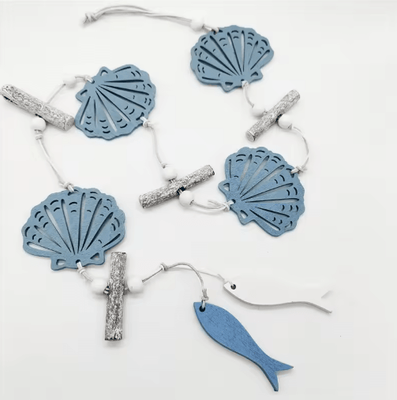
Inspire Picks Nautical Fishing Net Wall Decor Coastal Marine Hanging Ornament shellBring seaside charm into your space with this stylish nautical fishing net decor. Inspired by coastal living, it adds texture and character while creating a relaxed, oceaninspired vibe. Perfect for beach lovers and creative decorators, this marine...34,93 $*Shipping: 0,00 $Secure redirect to the provider

-
How can I simulate a low-pass and high-pass filter in LTspice?
To simulate a low-pass filter in LTspice, you can use a resistor-capacitor (RC) circuit where the capacitor is connected in parallel with the load. The cutoff frequency of the filter can be adjusted by changing the values of the resistor and capacitor. For a high-pass filter, you can use an inductor-capacitor (LC) circuit where the inductor is connected in series with the load. Similarly, the cutoff frequency can be adjusted by changing the values of the inductor and capacitor. By simulating these circuits in LTspice and analyzing the frequency response, you can observe how the filters attenuate or pass certain frequencies according to their characteristics. **
-
How does the current behave in a high-pass and low-pass filter?
In a high-pass filter, the current allows high-frequency signals to pass through while attenuating low-frequency signals. This means that the current is stronger for high-frequency signals and weaker for low-frequency signals. In contrast, in a low-pass filter, the current allows low-frequency signals to pass through while attenuating high-frequency signals. Therefore, the current is stronger for low-frequency signals and weaker for high-frequency signals in a low-pass filter. **
-
How are a high-pass filter and a low-pass filter connected in series?
When a high-pass filter and a low-pass filter are connected in series, the output of the high-pass filter is connected to the input of the low-pass filter. This configuration allows only the frequencies above a certain cutoff point to pass through the high-pass filter, and then only the frequencies below a certain cutoff point to pass through the low-pass filter. The result is that the frequencies within the range defined by the two cutoff points are attenuated, while the frequencies outside that range are allowed to pass through relatively unaltered. This series connection of filters is commonly used in audio and signal processing to create a band-pass filter that only allows a specific range of frequencies to pass through. **
-
What is a low-pass filter in electrical engineering?
A low-pass filter is a type of electronic circuit that allows signals with a frequency lower than a certain cutoff frequency to pass through, while attenuating signals with frequencies higher than the cutoff frequency. This type of filter is commonly used to remove high-frequency noise or unwanted signals from a circuit, allowing only the desired low-frequency signals to pass through. Low-pass filters are used in a variety of applications, including audio processing, communication systems, and power supply circuits. **
When do I use the high-pass, low-pass, RC, LR, CR, or RL filter?
You would use a high-pass filter when you want to pass high-frequency signals and attenuate low-frequency signals. A low-pass filter is used when you want to pass low-frequency signals and attenuate high-frequency signals. RC filters are commonly used in low-pass and high-pass configurations for simple filtering tasks, while LR, CR, and RL filters are used in more complex filtering applications where a combination of inductors and capacitors are needed to achieve the desired frequency response. The choice of filter type depends on the specific frequency range and attenuation requirements of the signal being filtered. **
Why is a low-pass filter an integrator and a high-pass filter a differentiator?
A low-pass filter is an integrator because it allows low-frequency signals to pass through while attenuating high-frequency signals. This means that the output of a low-pass filter is the accumulation of the input signal over time, which is similar to the mathematical operation of integration. On the other hand, a high-pass filter is a differentiator because it allows high-frequency signals to pass through while attenuating low-frequency signals. This results in the output of a high-pass filter being more sensitive to rapid changes in the input signal, similar to the mathematical operation of differentiation. **
Top-Angebote
Products related to Low-pass:
-
Elsevier Pass the PSAFully updated for its second edition, Pass the PSA is written specifically for the Prescribing Safety Assessment (PSA) exam, with one chapter dedicated to each PSA exam section. This latest edition: Introduces a simple, memorable and failsafe approach to prescribing (the 'PReSCRIBER' mnemonic) Specifies the universal basic principles of prescribing for all sections Examines each section's question structure and how to approach it questions (structured identically to the exam) that conclude each chapter Covers all scenarios suggested for questioning in the PSA blueprint Highlights common traps throughout Contains two mock exams Includes finals-level sections on data interpretation and management28,95 £*Shipping: 2,99 £Secure redirect to the provider
-
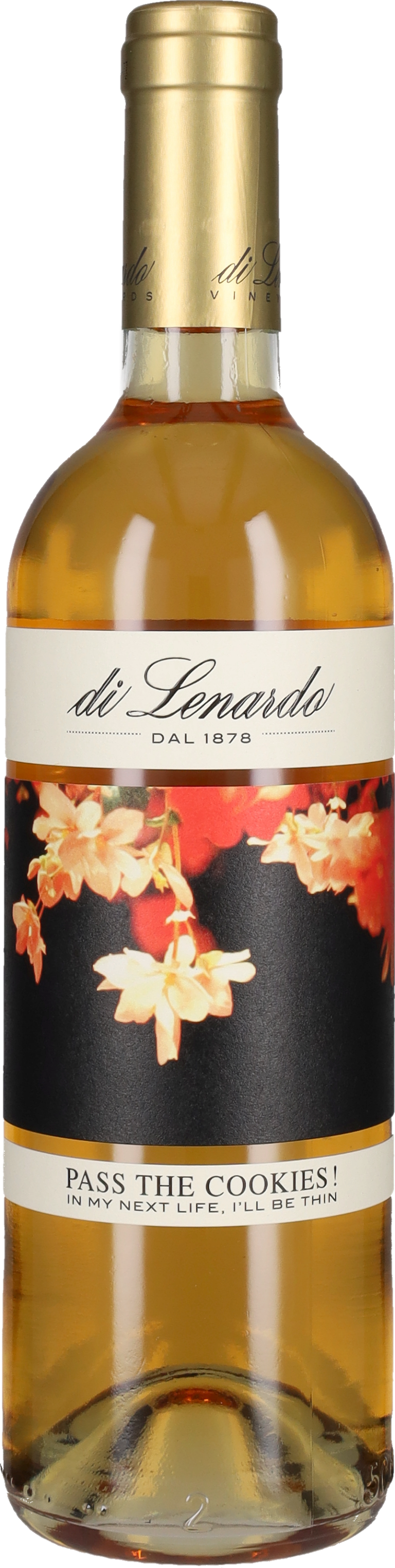
Pass the Cookies Di Lenardo - 50cl“Pass the Cookies”, produced by the Di Lenardo winery, is a sweet wine that embraces within it a spirit of territoriality and a hint of foreign influence. It takes root in the local winemaking tradition and renews it, with the addition of a portion that originates from German soil. It presents, overall, a great pleasantness of drinking, enhanced by the balance between sweetness and freshness. It is a passito of great lightness and great conviviality, cheerful and sunny, which, however, does not lack the elegance and finesse that, by nature, define the wines of Collio Friulano. Di Lenardo “Pass the Cookies” is made from white grapes. From the mineral soils that shape the 150 hectares of property, come grapes with a recognizable mineral imprint that plays on finesse. The harvest takes place manually at a rather early time compared to the perfect ripening of the grapes, in order to preserve the freshness that will provide the right balance. Subsequently, the bunches are left to dry on racks for a period of at least 3 months. Once ready, they are pressed and the obtained must is placed to ferment inside steel containers for about 20 days. Without undergoing malolactic fermentation, it remains in the same containers for a few months. The passito “Pass the Cookies” by Di Lenardo presents in the glass a bright, intense golden yellow color. On the nose, it reveals varied notes ranging from honey to hazelnuts, from dried apricot to vanilla pods, from ginger to candied citrus. On the palate, the balance between freshness and softness reigns. The body is dense and present, supporting a fruity imprint that also introduces an interesting trail of dried fruit to the taste. A great pearl signed by Di Lenardo!14,00 £*Shipping: 48,00 £Secure redirect to the provider
-
Daily Discovery Marine Tide Clock Nautical Wall Clock For Boats, Yachts And Coastal Home Decor Marine Tide Clock Nautical Wall Clock For Boats, Yachts And Coastal Home DecorEnjoy every trip on the water with a reliable Marine Tide Clock designed to help you stay aware of changing tidal conditions. Whether you're a sailor, angler, boater, or coastal homeowner, this compact clock combines practical function with timeless...68,97 $*Shipping: 0,00 $Secure redirect to the provider
-
Where should the cutoff frequencies of high-pass, low-pass, and band-pass filters be placed?
The cutoff frequencies of high-pass filters should be placed above the frequency range of interest, allowing only high frequencies to pass through. For low-pass filters, the cutoff frequencies should be placed below the frequency range of interest, allowing only low frequencies to pass through. In the case of band-pass filters, the cutoff frequencies should be placed within the desired frequency range to allow a specific band of frequencies to pass through while attenuating others. **
-
What are bass, treble, and low-pass settings?
Bass, treble, and low-pass settings are audio equalization controls commonly found on audio devices such as stereos, amplifiers, and headphones. Bass controls adjust the lower frequencies, allowing you to increase or decrease the depth and richness of the sound. Treble controls adjust the higher frequencies, enabling you to enhance or reduce the clarity and brightness of the sound. Low-pass settings are filters that allow frequencies below a certain point to pass through, typically used to control the amount of bass in the audio output. **
-
How can I simulate a low-pass and high-pass filter in LTspice?
To simulate a low-pass filter in LTspice, you can use a resistor-capacitor (RC) circuit where the capacitor is connected in parallel with the load. The cutoff frequency of the filter can be adjusted by changing the values of the resistor and capacitor. For a high-pass filter, you can use an inductor-capacitor (LC) circuit where the inductor is connected in series with the load. Similarly, the cutoff frequency can be adjusted by changing the values of the inductor and capacitor. By simulating these circuits in LTspice and analyzing the frequency response, you can observe how the filters attenuate or pass certain frequencies according to their characteristics. **
-
How does the current behave in a high-pass and low-pass filter?
In a high-pass filter, the current allows high-frequency signals to pass through while attenuating low-frequency signals. This means that the current is stronger for high-frequency signals and weaker for low-frequency signals. In contrast, in a low-pass filter, the current allows low-frequency signals to pass through while attenuating high-frequency signals. Therefore, the current is stronger for low-frequency signals and weaker for high-frequency signals in a low-pass filter. **
Similar search terms for Low-pass
-
Inspire Picks Nautical Fishing Net Wall Decor Coastal Marine Hanging Ornament starBring seaside charm into your space with this stylish nautical fishing net decor. Inspired by coastal living, it adds texture and character while creating a relaxed, oceaninspired vibe. Perfect for beach lovers and creative decorators, this marine...34,93 $*Shipping: 0,00 $Secure redirect to the provider
-
Inspire Picks Nautical Fishing Net Wall Decor Coastal Marine Hanging Ornament shellBring seaside charm into your space with this stylish nautical fishing net decor. Inspired by coastal living, it adds texture and character while creating a relaxed, oceaninspired vibe. Perfect for beach lovers and creative decorators, this marine...34,93 $*Shipping: 0,00 $Secure redirect to the provider
-
Inspire Picks Nautical Fishing Net Wall Decor Coastal Marine Hanging Ornament blue 3Bring seaside charm into your space with this stylish nautical fishing net decor. Inspired by coastal living, it adds texture and character while creating a relaxed, oceaninspired vibe. Perfect for beach lovers and creative decorators, this marine...34,93 $*Shipping: 0,00 $Secure redirect to the provider
-
Inspire Picks Nautical Fishing Net Wall Decor Coastal Marine Hanging Ornament blue 2Bring seaside charm into your space with this stylish nautical fishing net decor. Inspired by coastal living, it adds texture and character while creating a relaxed, oceaninspired vibe. Perfect for beach lovers and creative decorators, this marine...34,93 $*Shipping: 0,00 $Secure redirect to the provider
-
How are a high-pass filter and a low-pass filter connected in series?
When a high-pass filter and a low-pass filter are connected in series, the output of the high-pass filter is connected to the input of the low-pass filter. This configuration allows only the frequencies above a certain cutoff point to pass through the high-pass filter, and then only the frequencies below a certain cutoff point to pass through the low-pass filter. The result is that the frequencies within the range defined by the two cutoff points are attenuated, while the frequencies outside that range are allowed to pass through relatively unaltered. This series connection of filters is commonly used in audio and signal processing to create a band-pass filter that only allows a specific range of frequencies to pass through. **
-
What is a low-pass filter in electrical engineering?
A low-pass filter is a type of electronic circuit that allows signals with a frequency lower than a certain cutoff frequency to pass through, while attenuating signals with frequencies higher than the cutoff frequency. This type of filter is commonly used to remove high-frequency noise or unwanted signals from a circuit, allowing only the desired low-frequency signals to pass through. Low-pass filters are used in a variety of applications, including audio processing, communication systems, and power supply circuits. **
-
When do I use the high-pass, low-pass, RC, LR, CR, or RL filter?
You would use a high-pass filter when you want to pass high-frequency signals and attenuate low-frequency signals. A low-pass filter is used when you want to pass low-frequency signals and attenuate high-frequency signals. RC filters are commonly used in low-pass and high-pass configurations for simple filtering tasks, while LR, CR, and RL filters are used in more complex filtering applications where a combination of inductors and capacitors are needed to achieve the desired frequency response. The choice of filter type depends on the specific frequency range and attenuation requirements of the signal being filtered. **
-
Why is a low-pass filter an integrator and a high-pass filter a differentiator?
A low-pass filter is an integrator because it allows low-frequency signals to pass through while attenuating high-frequency signals. This means that the output of a low-pass filter is the accumulation of the input signal over time, which is similar to the mathematical operation of integration. On the other hand, a high-pass filter is a differentiator because it allows high-frequency signals to pass through while attenuating low-frequency signals. This results in the output of a high-pass filter being more sensitive to rapid changes in the input signal, similar to the mathematical operation of differentiation. **
* All prices are inclusive of VAT and, if applicable, plus shipping costs. The offer information is based on the details provided by the respective shop and is updated through automated processes. Real-time updates do not occur, so deviations can occur in individual cases. ** Note: Parts of this content were created by AI.