Buy balticseal.eu ?
We are moving the project
balticseal.eu .
Are you interested in purchasing the domain
balticseal.eu ?
domain@kv-gmbh.de · 0541-91531010
Buy balticseal.eu ?
What happens after mycelium has formed?
After mycelium has formed, it continues to grow and spread through its environment in search of nutrients. As it grows, it may come into contact with other mycelium networks and form connections, creating a larger fungal network. Eventually, the mycelium may produce fruiting bodies such as mushrooms, which are the reproductive structures of the fungus. These mushrooms release spores, allowing the fungus to reproduce and continue its life cycle. **
What is a fungal mycelium made of?
A fungal mycelium is made of a network of thread-like structures called hyphae. These hyphae are composed of long, branching chains of cells that make up the body of the fungus. The mycelium acts as the main vegetative part of the fungus, responsible for absorbing nutrients from its environment and supporting the growth and reproduction of the organism. The interconnected network of hyphae allows the mycelium to spread and colonize its substrate, whether it be soil, wood, or another organic material. **

Similar search terms for Mycelium
Top-Angebote
Products related to Mycelium:
-
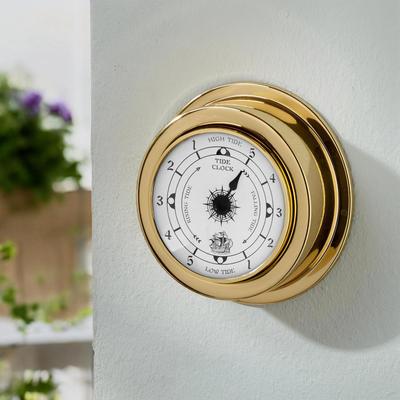
Daily Discovery Marine Tide Clock Nautical Wall Clock For Boats, Yachts And Coastal Home Decor Marine Tide Clock Nautical Wall Clock For Boats, Yachts And Coastal Home DecorEnjoy every trip on the water with a reliable Marine Tide Clock designed to help you stay aware of changing tidal conditions. Whether you're a sailor, angler, boater, or coastal homeowner, this compact clock combines practical function with timeless...68,97 $*Shipping: 0,00 $Secure redirect to the provider
-
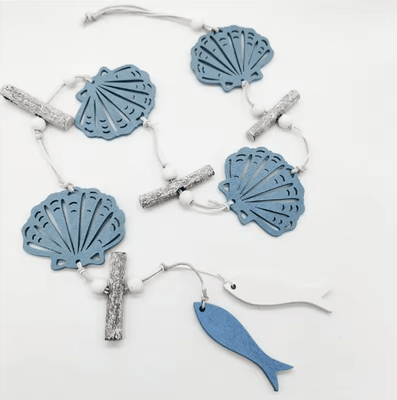
Inspire Picks Nautical Fishing Net Wall Decor Coastal Marine Hanging Ornament shellBring seaside charm into your space with this stylish nautical fishing net decor. Inspired by coastal living, it adds texture and character while creating a relaxed, oceaninspired vibe. Perfect for beach lovers and creative decorators, this marine...34,93 $*Shipping: 0,00 $Secure redirect to the provider
-
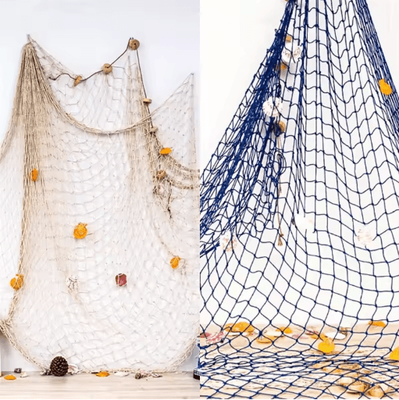
Inspire Picks Nautical Fishing Net Wall Decor Coastal Marine Hanging Ornament starBring seaside charm into your space with this stylish nautical fishing net decor. Inspired by coastal living, it adds texture and character while creating a relaxed, oceaninspired vibe. Perfect for beach lovers and creative decorators, this marine...34,93 $*Shipping: 0,00 $Secure redirect to the provider
-
Inspire Picks Nautical Fishing Net Wall Decor Coastal Marine Hanging Ornament blue 1Bring seaside charm into your space with this stylish nautical fishing net decor. Inspired by coastal living, it adds texture and character while creating a relaxed, oceaninspired vibe. Perfect for beach lovers and creative decorators, this marine...34,93 $*Shipping: 0,00 $Secure redirect to the provider

-
Do mushroom mycelium die at sub-zero temperatures?
Mushroom mycelium can survive at sub-zero temperatures, but they may become dormant or slow down their growth. Some species of mushroom mycelium are adapted to cold temperatures and can even thrive in sub-zero conditions. However, extreme cold can still damage or kill the mycelium, especially if it is not acclimated to such conditions. Overall, while some mushroom mycelium can survive sub-zero temperatures, it depends on the specific species and their ability to adapt to cold environments. **
-
How can one distinguish the mycelium of a mushroom from mold?
One way to distinguish the mycelium of a mushroom from mold is by looking at the color and texture. Mycelium of a mushroom is typically white or light-colored and has a fluffy or cotton-like appearance. Mold, on the other hand, can be various colors such as green, black, or gray, and may appear fuzzy or slimy. Additionally, mycelium of a mushroom is usually found growing in a specific pattern around the base of the mushroom, while mold can spread rapidly and cover a larger area. **
-
How can one distinguish the mushroom mycelium from mold on a mushroom?
Mycelium is the vegetative part of a fungus and is typically found growing within the substrate of the mushroom. It appears as a network of white, thread-like strands. Mold, on the other hand, is a type of fungus that can grow on the surface of the mushroom and appears as fuzzy, discolored patches. Additionally, mycelium is essential for the growth and development of the mushroom, while mold can be harmful and lead to spoilage. Therefore, by observing the location and appearance of the growth, one can distinguish between mycelium and mold on a mushroom. **
-
Why can cultivated mushrooms only be harvested 3 times? Do the mycelium die? What about wild mushrooms?
Cultivated mushrooms can only be harvested 3 times because after that, the mycelium, which is the vegetative part of the fungus, becomes depleted of nutrients and loses its ability to produce mushrooms. The mycelium itself does not die, but it becomes less productive. In the case of wild mushrooms, they can continue to produce mushrooms for many years because they are able to access a wider range of nutrients and resources in their natural environment. Additionally, wild mushrooms have evolved to thrive in their specific ecological niche, allowing them to continue producing mushrooms over a longer period of time. **
I plan to study marine biology in order to potentially work abroad at an aquarium like SeaLife.
Studying marine biology will provide me with the necessary knowledge and skills to work in aquariums like SeaLife, where I can contribute to the conservation and preservation of marine life. Working abroad at such aquariums will allow me to gain valuable international experience and exposure to different marine ecosystems and species. This hands-on experience will not only enhance my understanding of marine biology but also help me make a positive impact on marine conservation efforts globally. **
I plan to study marine biology in order to potentially work abroad at an aquarium at SeaLife.
Studying marine biology will provide me with the necessary knowledge and skills to work in a variety of settings, including aquariums like SeaLife. Working abroad at SeaLife would allow me to gain valuable experience in a different cultural and environmental setting, further enhancing my understanding of marine life. This opportunity would also enable me to contribute to conservation efforts and educate the public about the importance of marine ecosystems. **
Top-Angebote
Products related to Mycelium:
-
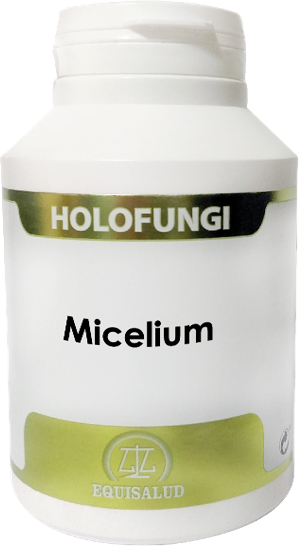
Equisalud Holofungi mycelium Capsules 180Nutrition and Supplements Algae, Mushrooms and Medicinal Fungi Equisalud Holofungi mycelium Capsules 180 Capsules Wrapped polysaccharide of plant origin (pullulan). It does not contain gluten, nor starch, nor transgenics, nor colorants.Suitable for vegetarians, diabetics and patients with restrictive diets. How to use:take 2 or 3 capsules per day or as directed by a specialist. Recommended daily amount:from 2 to 3 capsules per day. Allergens:does not contain gluten. Warnings:food supplement based on fungi and vitamin C. Food supplements should not be used as substitutes for a varied and balanced diet. Do not exceed the daily dose expressly recommended. Keep out of the reach of little kids. Conservation:keep the container tightly closed, in a dry and cool place.109,57 £*Shipping: 3,99 £Secure redirect to the provider
-
Obire Reishi Ganoderma Mycelium 400mg 90 Capsules 90 UnitsNutrition and Supplements Algae, Mushrooms and Medicinal Fungi Obire Reishi Ganoderma Mycelium 400mg 90 Capsules 90 Units The reishi mushroom has many benefits to improve various diseases and ailments in our body. Obire provides you with a practical supplement where this natural asset is its star ingredient. • Obire Reishi is a food supplement designed to improve various conditions in our body, such as immune, circulatory or nervous problems. Properties: • Antibacterial, anti-inflammatory and anti-allergic action. Avoid oxidative damage . Regulates blood sugar. Tonic for liver and nerves. Promotes relaxation.7,92 £*Shipping: 3,99 £Secure redirect to the provider
-
Daily Discovery Marine Tide Clock Nautical Wall Clock For Boats, Yachts And Coastal Home Decor Marine Tide Clock Nautical Wall Clock For Boats, Yachts And Coastal Home DecorEnjoy every trip on the water with a reliable Marine Tide Clock designed to help you stay aware of changing tidal conditions. Whether you're a sailor, angler, boater, or coastal homeowner, this compact clock combines practical function with timeless...68,97 $*Shipping: 0,00 $Secure redirect to the provider
-
Inspire Picks Nautical Fishing Net Wall Decor Coastal Marine Hanging Ornament shellBring seaside charm into your space with this stylish nautical fishing net decor. Inspired by coastal living, it adds texture and character while creating a relaxed, oceaninspired vibe. Perfect for beach lovers and creative decorators, this marine...34,93 $*Shipping: 0,00 $Secure redirect to the provider
-
What happens after mycelium has formed?
After mycelium has formed, it continues to grow and spread through its environment in search of nutrients. As it grows, it may come into contact with other mycelium networks and form connections, creating a larger fungal network. Eventually, the mycelium may produce fruiting bodies such as mushrooms, which are the reproductive structures of the fungus. These mushrooms release spores, allowing the fungus to reproduce and continue its life cycle. **
-
What is a fungal mycelium made of?
A fungal mycelium is made of a network of thread-like structures called hyphae. These hyphae are composed of long, branching chains of cells that make up the body of the fungus. The mycelium acts as the main vegetative part of the fungus, responsible for absorbing nutrients from its environment and supporting the growth and reproduction of the organism. The interconnected network of hyphae allows the mycelium to spread and colonize its substrate, whether it be soil, wood, or another organic material. **
-
Do mushroom mycelium die at sub-zero temperatures?
Mushroom mycelium can survive at sub-zero temperatures, but they may become dormant or slow down their growth. Some species of mushroom mycelium are adapted to cold temperatures and can even thrive in sub-zero conditions. However, extreme cold can still damage or kill the mycelium, especially if it is not acclimated to such conditions. Overall, while some mushroom mycelium can survive sub-zero temperatures, it depends on the specific species and their ability to adapt to cold environments. **
-
How can one distinguish the mycelium of a mushroom from mold?
One way to distinguish the mycelium of a mushroom from mold is by looking at the color and texture. Mycelium of a mushroom is typically white or light-colored and has a fluffy or cotton-like appearance. Mold, on the other hand, can be various colors such as green, black, or gray, and may appear fuzzy or slimy. Additionally, mycelium of a mushroom is usually found growing in a specific pattern around the base of the mushroom, while mold can spread rapidly and cover a larger area. **
Similar search terms for Mycelium
-
Inspire Picks Nautical Fishing Net Wall Decor Coastal Marine Hanging Ornament starBring seaside charm into your space with this stylish nautical fishing net decor. Inspired by coastal living, it adds texture and character while creating a relaxed, oceaninspired vibe. Perfect for beach lovers and creative decorators, this marine...34,93 $*Shipping: 0,00 $Secure redirect to the provider
-
Inspire Picks Nautical Fishing Net Wall Decor Coastal Marine Hanging Ornament blue 1Bring seaside charm into your space with this stylish nautical fishing net decor. Inspired by coastal living, it adds texture and character while creating a relaxed, oceaninspired vibe. Perfect for beach lovers and creative decorators, this marine...34,93 $*Shipping: 0,00 $Secure redirect to the provider
-
Inspire Picks Nautical Fishing Net Wall Decor Coastal Marine Hanging Ornament blue 2Bring seaside charm into your space with this stylish nautical fishing net decor. Inspired by coastal living, it adds texture and character while creating a relaxed, oceaninspired vibe. Perfect for beach lovers and creative decorators, this marine...34,93 $*Shipping: 0,00 $Secure redirect to the provider
-
Inspire Picks Nautical Fishing Net Wall Decor Coastal Marine Hanging Ornament a WhiteBring seaside charm into your space with this stylish nautical fishing net decor. Inspired by coastal living, it adds texture and character while creating a relaxed, oceaninspired vibe. Perfect for beach lovers and creative decorators, this marine...34,93 $*Shipping: 0,00 $Secure redirect to the provider
-
How can one distinguish the mushroom mycelium from mold on a mushroom?
Mycelium is the vegetative part of a fungus and is typically found growing within the substrate of the mushroom. It appears as a network of white, thread-like strands. Mold, on the other hand, is a type of fungus that can grow on the surface of the mushroom and appears as fuzzy, discolored patches. Additionally, mycelium is essential for the growth and development of the mushroom, while mold can be harmful and lead to spoilage. Therefore, by observing the location and appearance of the growth, one can distinguish between mycelium and mold on a mushroom. **
-
Why can cultivated mushrooms only be harvested 3 times? Do the mycelium die? What about wild mushrooms?
Cultivated mushrooms can only be harvested 3 times because after that, the mycelium, which is the vegetative part of the fungus, becomes depleted of nutrients and loses its ability to produce mushrooms. The mycelium itself does not die, but it becomes less productive. In the case of wild mushrooms, they can continue to produce mushrooms for many years because they are able to access a wider range of nutrients and resources in their natural environment. Additionally, wild mushrooms have evolved to thrive in their specific ecological niche, allowing them to continue producing mushrooms over a longer period of time. **
-
I plan to study marine biology in order to potentially work abroad at an aquarium like SeaLife.
Studying marine biology will provide me with the necessary knowledge and skills to work in aquariums like SeaLife, where I can contribute to the conservation and preservation of marine life. Working abroad at such aquariums will allow me to gain valuable international experience and exposure to different marine ecosystems and species. This hands-on experience will not only enhance my understanding of marine biology but also help me make a positive impact on marine conservation efforts globally. **
-
I plan to study marine biology in order to potentially work abroad at an aquarium at SeaLife.
Studying marine biology will provide me with the necessary knowledge and skills to work in a variety of settings, including aquariums like SeaLife. Working abroad at SeaLife would allow me to gain valuable experience in a different cultural and environmental setting, further enhancing my understanding of marine life. This opportunity would also enable me to contribute to conservation efforts and educate the public about the importance of marine ecosystems. **
* All prices are inclusive of VAT and, if applicable, plus shipping costs. The offer information is based on the details provided by the respective shop and is updated through automated processes. Real-time updates do not occur, so deviations can occur in individual cases. ** Note: Parts of this content were created by AI.