Buy balticseal.eu ?
We are moving the project
balticseal.eu .
Are you interested in purchasing the domain
balticseal.eu ?
domain@kv-gmbh.de · 0541-91531010
Buy balticseal.eu ?
What percentage of relatedness is there with relatives?
The percentage of relatedness with relatives depends on the specific relationship. For example, siblings share about 50% of their genetic material, while parents and children share about 50% as well. Grandparents and grandchildren share about 25% of their genetic material. The percentage decreases as the degree of relatedness decreases, such as with cousins who share about 12.5% of their genetic material. Overall, the percentage of relatedness varies depending on the specific familial relationship. **
What percentage of relatedness is there with the uncle?
The percentage of relatedness with an uncle is 25%. This is because an uncle shares 25% of their DNA with their niece or nephew. This is because the uncle and the niece or nephew share one set of grandparents, which accounts for 25% of their genetic material being the same. **

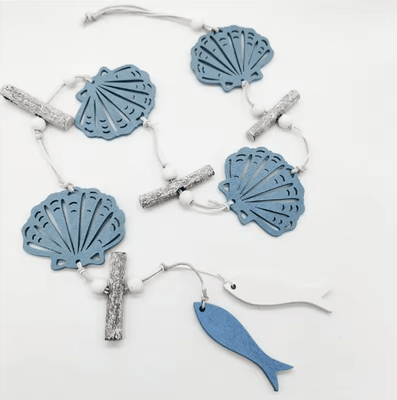
Similar search terms for Relatedness
Top-Angebote
Products related to Relatedness:
-
Addison Rugs Premium Washable Super Soft Coastal Sealife Mayfield RugAdd a splash of ocean charm with sealife in a coastal design. This rug brings a playful beachy feel to your home. Suitable for indoor and covered outdoor areas, it boasts a soft, thick, and plush microfiber pile.58,79 $*Shipping: 0,00 $Secure redirect to the provider
-
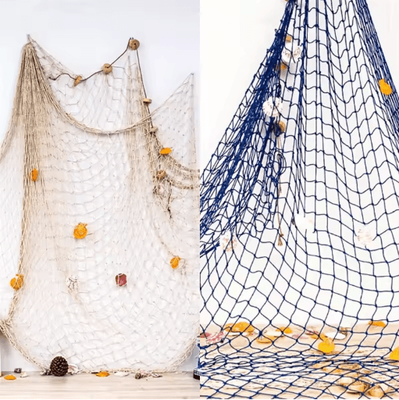
Inspire Picks Nautical Fishing Net Wall Decor Coastal Marine Hanging Ornament starBring seaside charm into your space with this stylish nautical fishing net decor. Inspired by coastal living, it adds texture and character while creating a relaxed, oceaninspired vibe. Perfect for beach lovers and creative decorators, this marine...34,93 $*Shipping: 0,00 $Secure redirect to the provider
-
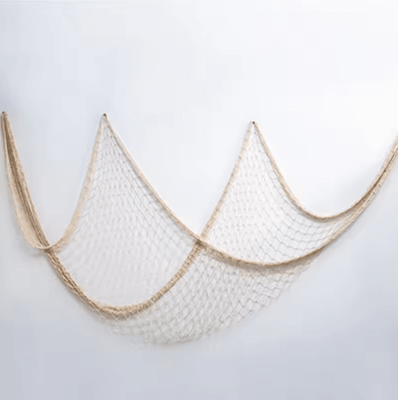
Inspire Picks Nautical Fishing Net Wall Decor Coastal Marine Hanging Ornament a WhiteBring seaside charm into your space with this stylish nautical fishing net decor. Inspired by coastal living, it adds texture and character while creating a relaxed, oceaninspired vibe. Perfect for beach lovers and creative decorators, this marine...34,93 $*Shipping: 0,00 $Secure redirect to the provider
-
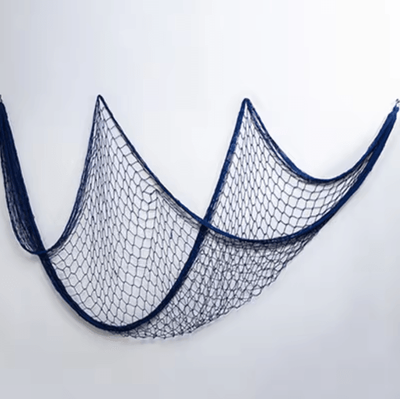
Inspire Picks Nautical Fishing Net Wall Decor Coastal Marine Hanging Ornament blue 1Bring seaside charm into your space with this stylish nautical fishing net decor. Inspired by coastal living, it adds texture and character while creating a relaxed, oceaninspired vibe. Perfect for beach lovers and creative decorators, this marine...34,93 $*Shipping: 0,00 $Secure redirect to the provider


-
How can one represent the relatedness of bears using family trees in biology and evolution?
In biology and evolution, family trees can be used to represent the relatedness of bears by showing the evolutionary relationships between different species and subspecies. By constructing a family tree, scientists can visually depict the common ancestry and divergence of different bear species over time. This can help in understanding the evolutionary history of bears and how they are related to each other. Family trees can also show the genetic relatedness between different bear populations, providing insights into their genetic diversity and conservation. **
-
What methods for determining relatedness exist in evolution and genetics for the biology high school graduation exam?
In evolution and genetics, relatedness can be determined through various methods such as DNA sequencing, phylogenetic analysis, and genetic markers. DNA sequencing involves comparing the genetic material of different organisms to identify similarities and differences, which can help determine their relatedness. Phylogenetic analysis uses the evolutionary relationships between different species to infer their relatedness based on shared ancestry. Genetic markers, such as specific DNA sequences or alleles, can also be used to assess relatedness by comparing the presence or absence of these markers in different individuals or populations. These methods are important for understanding the evolutionary history and genetic relationships between different organisms, and are essential for studying biodiversity and species conservation. **
-
What is the difference between the botanical and biological concept of relatedness in plants, if such a concept exists?
The botanical concept of relatedness in plants refers to their classification based on their physical characteristics, such as their flower structure, leaf arrangement, and other morphological features. This concept is used to group plants into families, genera, and species based on their shared traits. On the other hand, the biological concept of relatedness in plants focuses on their genetic relationships and evolutionary history. This concept is based on DNA analysis and phylogenetic studies to determine how closely related different plant species are and how they have evolved over time. While both concepts aim to understand the relatedness of plants, the botanical concept focuses on physical traits, while the biological concept focuses on genetic and evolutionary relationships. **
-
I plan to study marine biology in order to potentially work abroad at an aquarium like SeaLife.
Studying marine biology will provide me with the necessary knowledge and skills to work in aquariums like SeaLife, where I can contribute to the conservation and preservation of marine life. Working abroad at such aquariums will allow me to gain valuable international experience and exposure to different marine ecosystems and species. This hands-on experience will not only enhance my understanding of marine biology but also help me make a positive impact on marine conservation efforts globally. **
I plan to study marine biology in order to potentially work abroad at an aquarium at SeaLife.
Studying marine biology will provide me with the necessary knowledge and skills to work in a variety of settings, including aquariums like SeaLife. Working abroad at SeaLife would allow me to gain valuable experience in a different cultural and environmental setting, further enhancing my understanding of marine life. This opportunity would also enable me to contribute to conservation efforts and educate the public about the importance of marine ecosystems. **
Are there shipwrecks in Minecraft Bedrock?
Yes, there are shipwrecks in Minecraft Bedrock. Shipwrecks can be found in ocean biomes and are made up of broken and sunken ships. Players can explore these shipwrecks to find loot such as treasure maps, emeralds, iron ingots, and other valuable items. Additionally, shipwrecks can be a source of building materials such as wood and planks. **
Top-Angebote
Products related to Relatedness:
-
Daily Discovery Marine Tide Clock Nautical Wall Clock For Boats, Yachts And Coastal Home Decor Marine Tide Clock Nautical Wall Clock For Boats, Yachts And Coastal Home DecorEnjoy every trip on the water with a reliable Marine Tide Clock designed to help you stay aware of changing tidal conditions. Whether you're a sailor, angler, boater, or coastal homeowner, this compact clock combines practical function with timeless...68,97 $*Shipping: 0,00 $Secure redirect to the provider
-
Inspire Picks Nautical Fishing Net Wall Decor Coastal Marine Hanging Ornament shellBring seaside charm into your space with this stylish nautical fishing net decor. Inspired by coastal living, it adds texture and character while creating a relaxed, oceaninspired vibe. Perfect for beach lovers and creative decorators, this marine...34,93 $*Shipping: 0,00 $Secure redirect to the provider
-
Addison Rugs Premium Washable Super Soft Coastal Sealife Mayfield RugAdd a splash of ocean charm with sealife in a coastal design. This rug brings a playful beachy feel to your home. Suitable for indoor and covered outdoor areas, it boasts a soft, thick, and plush microfiber pile.58,79 $*Shipping: 0,00 $Secure redirect to the provider
-
Inspire Picks Nautical Fishing Net Wall Decor Coastal Marine Hanging Ornament starBring seaside charm into your space with this stylish nautical fishing net decor. Inspired by coastal living, it adds texture and character while creating a relaxed, oceaninspired vibe. Perfect for beach lovers and creative decorators, this marine...34,93 $*Shipping: 0,00 $Secure redirect to the provider
-
What percentage of relatedness is there with relatives?
The percentage of relatedness with relatives depends on the specific relationship. For example, siblings share about 50% of their genetic material, while parents and children share about 50% as well. Grandparents and grandchildren share about 25% of their genetic material. The percentage decreases as the degree of relatedness decreases, such as with cousins who share about 12.5% of their genetic material. Overall, the percentage of relatedness varies depending on the specific familial relationship. **
-
What percentage of relatedness is there with the uncle?
The percentage of relatedness with an uncle is 25%. This is because an uncle shares 25% of their DNA with their niece or nephew. This is because the uncle and the niece or nephew share one set of grandparents, which accounts for 25% of their genetic material being the same. **
-
How can one represent the relatedness of bears using family trees in biology and evolution?
In biology and evolution, family trees can be used to represent the relatedness of bears by showing the evolutionary relationships between different species and subspecies. By constructing a family tree, scientists can visually depict the common ancestry and divergence of different bear species over time. This can help in understanding the evolutionary history of bears and how they are related to each other. Family trees can also show the genetic relatedness between different bear populations, providing insights into their genetic diversity and conservation. **
-
What methods for determining relatedness exist in evolution and genetics for the biology high school graduation exam?
In evolution and genetics, relatedness can be determined through various methods such as DNA sequencing, phylogenetic analysis, and genetic markers. DNA sequencing involves comparing the genetic material of different organisms to identify similarities and differences, which can help determine their relatedness. Phylogenetic analysis uses the evolutionary relationships between different species to infer their relatedness based on shared ancestry. Genetic markers, such as specific DNA sequences or alleles, can also be used to assess relatedness by comparing the presence or absence of these markers in different individuals or populations. These methods are important for understanding the evolutionary history and genetic relationships between different organisms, and are essential for studying biodiversity and species conservation. **
Similar search terms for Relatedness
-
Inspire Picks Nautical Fishing Net Wall Decor Coastal Marine Hanging Ornament a WhiteBring seaside charm into your space with this stylish nautical fishing net decor. Inspired by coastal living, it adds texture and character while creating a relaxed, oceaninspired vibe. Perfect for beach lovers and creative decorators, this marine...34,93 $*Shipping: 0,00 $Secure redirect to the provider
-
Inspire Picks Nautical Fishing Net Wall Decor Coastal Marine Hanging Ornament blue 1Bring seaside charm into your space with this stylish nautical fishing net decor. Inspired by coastal living, it adds texture and character while creating a relaxed, oceaninspired vibe. Perfect for beach lovers and creative decorators, this marine...34,93 $*Shipping: 0,00 $Secure redirect to the provider
-
Inspire Picks Nautical Fishing Net Wall Decor Coastal Marine Hanging Ornament a BlueBring seaside charm into your space with this stylish nautical fishing net decor. Inspired by coastal living, it adds texture and character while creating a relaxed, oceaninspired vibe. Perfect for beach lovers and creative decorators, this marine...34,93 $*Shipping: 0,00 $Secure redirect to the provider
-
Inspire Picks Nautical Fishing Net Wall Decor Coastal Marine Hanging Ornament blue 2Bring seaside charm into your space with this stylish nautical fishing net decor. Inspired by coastal living, it adds texture and character while creating a relaxed, oceaninspired vibe. Perfect for beach lovers and creative decorators, this marine...34,93 $*Shipping: 0,00 $Secure redirect to the provider
-
What is the difference between the botanical and biological concept of relatedness in plants, if such a concept exists?
The botanical concept of relatedness in plants refers to their classification based on their physical characteristics, such as their flower structure, leaf arrangement, and other morphological features. This concept is used to group plants into families, genera, and species based on their shared traits. On the other hand, the biological concept of relatedness in plants focuses on their genetic relationships and evolutionary history. This concept is based on DNA analysis and phylogenetic studies to determine how closely related different plant species are and how they have evolved over time. While both concepts aim to understand the relatedness of plants, the botanical concept focuses on physical traits, while the biological concept focuses on genetic and evolutionary relationships. **
-
I plan to study marine biology in order to potentially work abroad at an aquarium like SeaLife.
Studying marine biology will provide me with the necessary knowledge and skills to work in aquariums like SeaLife, where I can contribute to the conservation and preservation of marine life. Working abroad at such aquariums will allow me to gain valuable international experience and exposure to different marine ecosystems and species. This hands-on experience will not only enhance my understanding of marine biology but also help me make a positive impact on marine conservation efforts globally. **
-
I plan to study marine biology in order to potentially work abroad at an aquarium at SeaLife.
Studying marine biology will provide me with the necessary knowledge and skills to work in a variety of settings, including aquariums like SeaLife. Working abroad at SeaLife would allow me to gain valuable experience in a different cultural and environmental setting, further enhancing my understanding of marine life. This opportunity would also enable me to contribute to conservation efforts and educate the public about the importance of marine ecosystems. **
-
Are there shipwrecks in Minecraft Bedrock?
Yes, there are shipwrecks in Minecraft Bedrock. Shipwrecks can be found in ocean biomes and are made up of broken and sunken ships. Players can explore these shipwrecks to find loot such as treasure maps, emeralds, iron ingots, and other valuable items. Additionally, shipwrecks can be a source of building materials such as wood and planks. **
* All prices are inclusive of VAT and, if applicable, plus shipping costs. The offer information is based on the details provided by the respective shop and is updated through automated processes. Real-time updates do not occur, so deviations can occur in individual cases. ** Note: Parts of this content were created by AI.