Buy balticseal.eu ?
We are moving the project
balticseal.eu .
Are you interested in purchasing the domain
balticseal.eu ?
domain@kv-gmbh.de · 0541-91531010
Buy balticseal.eu ?
What causes redness after suture removal?
Redness after suture removal is typically caused by the body's natural inflammatory response to the healing process. When the sutures are removed, the skin is still in the process of healing, and the body sends blood flow to the area to aid in the repair process. This increased blood flow can cause the skin to appear red and slightly swollen. In most cases, this redness is temporary and will gradually fade as the healing process continues. If the redness persists or is accompanied by other concerning symptoms, it's important to consult a healthcare professional for further evaluation. **
What are the reviews of the MPFL reconstruction by suture?
The reviews of MPFL reconstruction by suture are generally positive, with many patients reporting improved stability and reduced pain in the knee. This technique is often considered less invasive than other methods of MPFL reconstruction, leading to faster recovery times and less post-operative discomfort. However, some studies have suggested that the long-term outcomes of MPFL reconstruction by suture may not be as favorable as other techniques, so it is important for patients to discuss their options with a qualified orthopedic surgeon to determine the best approach for their individual needs. **
Similar search terms for Suture
Top-Angebote
Products related to Suture:
-
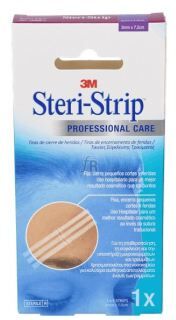
3M Steri-Strip Suture 12x100 mm 6 unitsHealth and Beauty First aid kit 3M Steri-Strip Suture 12x100 mm 6 units A sterile, breathable adhesive strip reinforced with polymer filaments for strong and reliable closure of skin incisions and lacerations.6,80 £*Shipping: 3,99 £Secure redirect to the provider
-
3M Sterile Cutaneous Suture 75x3 mm 5 UnitsHealth and Beauty First aid kit 3M Sterile Cutaneous Suture 75x3 mm 5 Units Sterile Skin Suture. Instructions for use: Clean and dry the area before applying. Gently press the wound on both sides, closing it manually. Open the individual packaging and remove the tabs that protect the adhesive. Place it on the wound, maintaining manual pressure to bring both edges together. Rub the entire band with your fingertip to ensure it adheres to the skin. When the adhesive loses its properties, it should be replaced and discarded. Quantity: 5 Units. Size: 75 mm x 3 mm4,63 £*Shipping: 3,99 £Secure redirect to the provider
-
Hartmann Omnistrip Self-adhesive Cutaneous Suture Strips 6x38 mmHealth and Beauty First aid kit Hartmann Omnistrip Self-adhesive Cutaneous Suture Strips 6x38 mm Approach strip, sterile, flesh-coloured polyamide with hypoallergenic polyacrylate adhesive. Skin-coloured polyester/polyamide non-woven with rounded ends. Pressure sensitive acrylic adhesive, hypoallergenic. Contraindications: Do not put on secondary healing wounds. Indications: Atraumatic closure of small wounds and surgical incisions (primary healing wounds). These straps may be used to unload the wound edges in combination with thread sutures or staples, or after removal to stabilize a recent scar. Instructions for use: Carefully clean the wound area and ensure that the wound contour is dry. No additional adhesive should be used on the skin before applying the strip. Remove the protective paper and first apply one edge of the strip perpendicular to the cut by pressing. Bring the edges of the wound closer together and glue the rest of the strip. Always apply the center wound strip first. Close the wound by applying strips parallel to the first. When removing the strips, special care should be taken to first remove the edges of the strips from the wound area and then peel off the rest.5,07 £*Shipping: 3,99 £Secure redirect to the provider
-
Hartmann Omnistrip Self-adhesive Cutaneous Suture Strips 6x76 mmHealth and Beauty First aid kit Hartmann Omnistrip Self-adhesive Cutaneous Suture Strips 6x76 mm Approach strip, sterile, flesh-coloured polyamide with hypoallergenic polyacrylate adhesive. Skin-coloured polyester/polyamide non-woven with rounded ends. Pressure sensitive acrylic adhesive, hypoallergenic. Contraindications: Do not put on secondary healing wounds. Indications: Atraumatic closure of small wounds and surgical incisions (primary healing wounds). These straps may be used to unload the wound edges in combination with thread sutures or staples, or after removal to stabilize a recent scar. Instructions for use: Carefully clean the wound area and ensure that the wound contour is dry. No additional adhesive should be used on the skin before applying the strip. Remove the protective paper and first apply one edge of the strip perpendicular to the cut by pressing. Bring the edges of the wound closer together and glue the rest of the strip. Always apply the center wound strip first. Close the wound by applying strips parallel to the first. When removing the strips, special care should be taken to first remove the edges of the strips from the wound area and then peel off the rest.4,73 £*Shipping: 3,99 £Secure redirect to the provider



-
Which suture thread was used when the cat was spayed?
The suture thread used for spaying a cat is typically an absorbable suture material, such as polyglactin 910 (e.g. Vicryl) or polydioxanone (e.g. PDS). These materials are designed to be absorbed by the body over time, eliminating the need for suture removal. The choice of suture material may vary depending on the veterinarian's preference and the specific needs of the cat. **
-
Why is the suture material nylon not biodegradable in the human body?
Nylon is not biodegradable in the human body because it is a synthetic polymer made from long chains of carbon-based molecules. These molecules are not easily broken down by the body's natural processes, so the nylon suture material remains intact for a long time after being implanted. This can lead to complications such as inflammation or infection if the body is unable to fully absorb or expel the non-biodegradable material. As a result, biodegradable suture materials, such as those made from natural substances like catgut or synthetic polymers that break down over time, are often preferred for medical use. **
-
What can be the cause of numbness in the finger after a suture?
Numbness in the finger after a suture can be caused by nerve damage during the suturing process. If the needle or suture material accidentally damages a nerve in the finger, it can lead to temporary or permanent numbness. Additionally, swelling or inflammation around the sutured area can put pressure on the nerves, leading to numbness. It is important to seek medical attention if numbness persists after a suture to determine the cause and receive appropriate treatment. **
-
Does a suture on a dog need a small exit with a tube?
A suture on a dog typically does not need a small exit with a tube. Sutures are used to close wounds or surgical incisions, and the thread is usually tied off and trimmed close to the skin. In some cases, a drain tube may be placed to help with drainage of fluids from a wound, but this is not typically necessary for a simple suture. It is best to follow your veterinarian's specific instructions for post-operative care to ensure proper healing. **

Is it normal for a piece of blue suture thread to still be stuck in the wound?
No, it is not normal for a piece of suture thread to still be stuck in the wound. Suture threads are typically designed to dissolve or be removed after a certain period of time, and if a piece is still present in the wound, it may lead to complications such as infection or delayed healing. It is important to seek medical attention to have the remaining suture thread properly removed to prevent any potential issues. **
Is it normal for a cat to have a red spot under the suture after being spayed?
It is not uncommon for a cat to have a red spot under the suture after being spayed. This can be a normal part of the healing process as the body responds to the surgery. However, it is important to monitor the spot for any changes such as increased redness, swelling, or discharge, as these could be signs of infection. If there are any concerns, it is best to consult with a veterinarian for further evaluation and guidance. **
Top-Angebote
Products related to Suture:
-
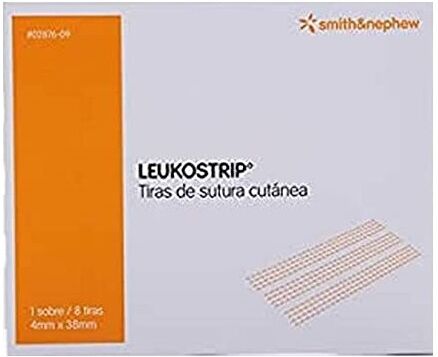
Smith&Nephew; Leukostrip Cutaneous Suture Strips 4X76mmHealth and Beauty First aid kit Smith&Nephew; Leukostrip Cutaneous Suture Strips 4X76mm LEUKOSTRIP are porous adhesive strips for wound closure, composed of 100% polyamide covered by a hypoallergenic adhesive that facilitates, in a practically painless way, the closure of a wound. It can be used in combination with subcutaneous sutures or as a substitute for surface sutures.1,27 £*Shipping: 3,99 £Secure redirect to the provider
-
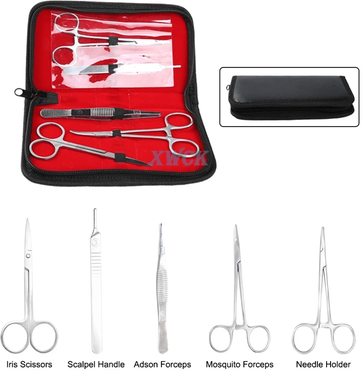
Inspire Essentials Medical Suture Practice Kit Silicone Skin Training Pad Set Medical Suture Practice Kit Silicone Skin Training Pad SetBuild confidence and precision before working on real patients. This suture practice kit is designed to help students and professionals develop proper stitching techniques in a safe controlled environment. Made with realistic silicone skin it mimics...48,48 $*Shipping: 0,00 $Secure redirect to the provider
-
3M Steri-Strip Suture 12x100 mm 6 unitsHealth and Beauty First aid kit 3M Steri-Strip Suture 12x100 mm 6 units A sterile, breathable adhesive strip reinforced with polymer filaments for strong and reliable closure of skin incisions and lacerations.6,80 £*Shipping: 3,99 £Secure redirect to the provider
-
3M Sterile Cutaneous Suture 75x3 mm 5 UnitsHealth and Beauty First aid kit 3M Sterile Cutaneous Suture 75x3 mm 5 Units Sterile Skin Suture. Instructions for use: Clean and dry the area before applying. Gently press the wound on both sides, closing it manually. Open the individual packaging and remove the tabs that protect the adhesive. Place it on the wound, maintaining manual pressure to bring both edges together. Rub the entire band with your fingertip to ensure it adheres to the skin. When the adhesive loses its properties, it should be replaced and discarded. Quantity: 5 Units. Size: 75 mm x 3 mm4,63 £*Shipping: 3,99 £Secure redirect to the provider
-
What causes redness after suture removal?
Redness after suture removal is typically caused by the body's natural inflammatory response to the healing process. When the sutures are removed, the skin is still in the process of healing, and the body sends blood flow to the area to aid in the repair process. This increased blood flow can cause the skin to appear red and slightly swollen. In most cases, this redness is temporary and will gradually fade as the healing process continues. If the redness persists or is accompanied by other concerning symptoms, it's important to consult a healthcare professional for further evaluation. **
-
What are the reviews of the MPFL reconstruction by suture?
The reviews of MPFL reconstruction by suture are generally positive, with many patients reporting improved stability and reduced pain in the knee. This technique is often considered less invasive than other methods of MPFL reconstruction, leading to faster recovery times and less post-operative discomfort. However, some studies have suggested that the long-term outcomes of MPFL reconstruction by suture may not be as favorable as other techniques, so it is important for patients to discuss their options with a qualified orthopedic surgeon to determine the best approach for their individual needs. **
-
Which suture thread was used when the cat was spayed?
The suture thread used for spaying a cat is typically an absorbable suture material, such as polyglactin 910 (e.g. Vicryl) or polydioxanone (e.g. PDS). These materials are designed to be absorbed by the body over time, eliminating the need for suture removal. The choice of suture material may vary depending on the veterinarian's preference and the specific needs of the cat. **
-
Why is the suture material nylon not biodegradable in the human body?
Nylon is not biodegradable in the human body because it is a synthetic polymer made from long chains of carbon-based molecules. These molecules are not easily broken down by the body's natural processes, so the nylon suture material remains intact for a long time after being implanted. This can lead to complications such as inflammation or infection if the body is unable to fully absorb or expel the non-biodegradable material. As a result, biodegradable suture materials, such as those made from natural substances like catgut or synthetic polymers that break down over time, are often preferred for medical use. **
Similar search terms for Suture
-
Hartmann Omnistrip Self-adhesive Cutaneous Suture Strips 6x38 mmHealth and Beauty First aid kit Hartmann Omnistrip Self-adhesive Cutaneous Suture Strips 6x38 mm Approach strip, sterile, flesh-coloured polyamide with hypoallergenic polyacrylate adhesive. Skin-coloured polyester/polyamide non-woven with rounded ends. Pressure sensitive acrylic adhesive, hypoallergenic. Contraindications: Do not put on secondary healing wounds. Indications: Atraumatic closure of small wounds and surgical incisions (primary healing wounds). These straps may be used to unload the wound edges in combination with thread sutures or staples, or after removal to stabilize a recent scar. Instructions for use: Carefully clean the wound area and ensure that the wound contour is dry. No additional adhesive should be used on the skin before applying the strip. Remove the protective paper and first apply one edge of the strip perpendicular to the cut by pressing. Bring the edges of the wound closer together and glue the rest of the strip. Always apply the center wound strip first. Close the wound by applying strips parallel to the first. When removing the strips, special care should be taken to first remove the edges of the strips from the wound area and then peel off the rest.5,07 £*Shipping: 3,99 £Secure redirect to the provider
-
Hartmann Omnistrip Self-adhesive Cutaneous Suture Strips 6x76 mmHealth and Beauty First aid kit Hartmann Omnistrip Self-adhesive Cutaneous Suture Strips 6x76 mm Approach strip, sterile, flesh-coloured polyamide with hypoallergenic polyacrylate adhesive. Skin-coloured polyester/polyamide non-woven with rounded ends. Pressure sensitive acrylic adhesive, hypoallergenic. Contraindications: Do not put on secondary healing wounds. Indications: Atraumatic closure of small wounds and surgical incisions (primary healing wounds). These straps may be used to unload the wound edges in combination with thread sutures or staples, or after removal to stabilize a recent scar. Instructions for use: Carefully clean the wound area and ensure that the wound contour is dry. No additional adhesive should be used on the skin before applying the strip. Remove the protective paper and first apply one edge of the strip perpendicular to the cut by pressing. Bring the edges of the wound closer together and glue the rest of the strip. Always apply the center wound strip first. Close the wound by applying strips parallel to the first. When removing the strips, special care should be taken to first remove the edges of the strips from the wound area and then peel off the rest.4,73 £*Shipping: 3,99 £Secure redirect to the provider
-
Daily Discovery Marine Tide Clock Nautical Wall Clock For Boats, Yachts And Coastal Home Decor Marine Tide Clock Nautical Wall Clock For Boats, Yachts And Coastal Home DecorEnjoy every trip on the water with a reliable Marine Tide Clock designed to help you stay aware of changing tidal conditions. Whether you're a sailor, angler, boater, or coastal homeowner, this compact clock combines practical function with timeless...68,97 $*Shipping: 0,00 $Secure redirect to the provider
-
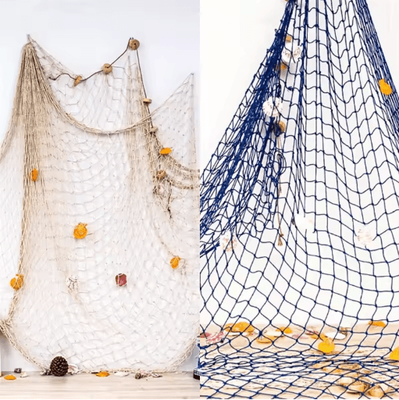
Inspire Picks Nautical Fishing Net Wall Decor Coastal Marine Hanging Ornament starBring seaside charm into your space with this stylish nautical fishing net decor. Inspired by coastal living, it adds texture and character while creating a relaxed, oceaninspired vibe. Perfect for beach lovers and creative decorators, this marine...34,93 $*Shipping: 0,00 $Secure redirect to the provider
-
What can be the cause of numbness in the finger after a suture?
Numbness in the finger after a suture can be caused by nerve damage during the suturing process. If the needle or suture material accidentally damages a nerve in the finger, it can lead to temporary or permanent numbness. Additionally, swelling or inflammation around the sutured area can put pressure on the nerves, leading to numbness. It is important to seek medical attention if numbness persists after a suture to determine the cause and receive appropriate treatment. **
-
Does a suture on a dog need a small exit with a tube?
A suture on a dog typically does not need a small exit with a tube. Sutures are used to close wounds or surgical incisions, and the thread is usually tied off and trimmed close to the skin. In some cases, a drain tube may be placed to help with drainage of fluids from a wound, but this is not typically necessary for a simple suture. It is best to follow your veterinarian's specific instructions for post-operative care to ensure proper healing. **
-
Is it normal for a piece of blue suture thread to still be stuck in the wound?
No, it is not normal for a piece of suture thread to still be stuck in the wound. Suture threads are typically designed to dissolve or be removed after a certain period of time, and if a piece is still present in the wound, it may lead to complications such as infection or delayed healing. It is important to seek medical attention to have the remaining suture thread properly removed to prevent any potential issues. **
-
Is it normal for a cat to have a red spot under the suture after being spayed?
It is not uncommon for a cat to have a red spot under the suture after being spayed. This can be a normal part of the healing process as the body responds to the surgery. However, it is important to monitor the spot for any changes such as increased redness, swelling, or discharge, as these could be signs of infection. If there are any concerns, it is best to consult with a veterinarian for further evaluation and guidance. **
* All prices are inclusive of VAT and, if applicable, plus shipping costs. The offer information is based on the details provided by the respective shop and is updated through automated processes. Real-time updates do not occur, so deviations can occur in individual cases. ** Note: Parts of this content were created by AI.